
Tennessee Road Trip: Nashville to Smokies
How to plan a drive through Tennessee's two biggest draws -- and where to stay along the way.
The Route
Nashville to the Great Smoky Mountains is one of the best road trips in the Southeast. Two completely different Tennessee experiences connected by a 3.5-hour drive through rolling countryside. You start in a city built on live music and hot chicken, and you end in the most visited national park in the country.
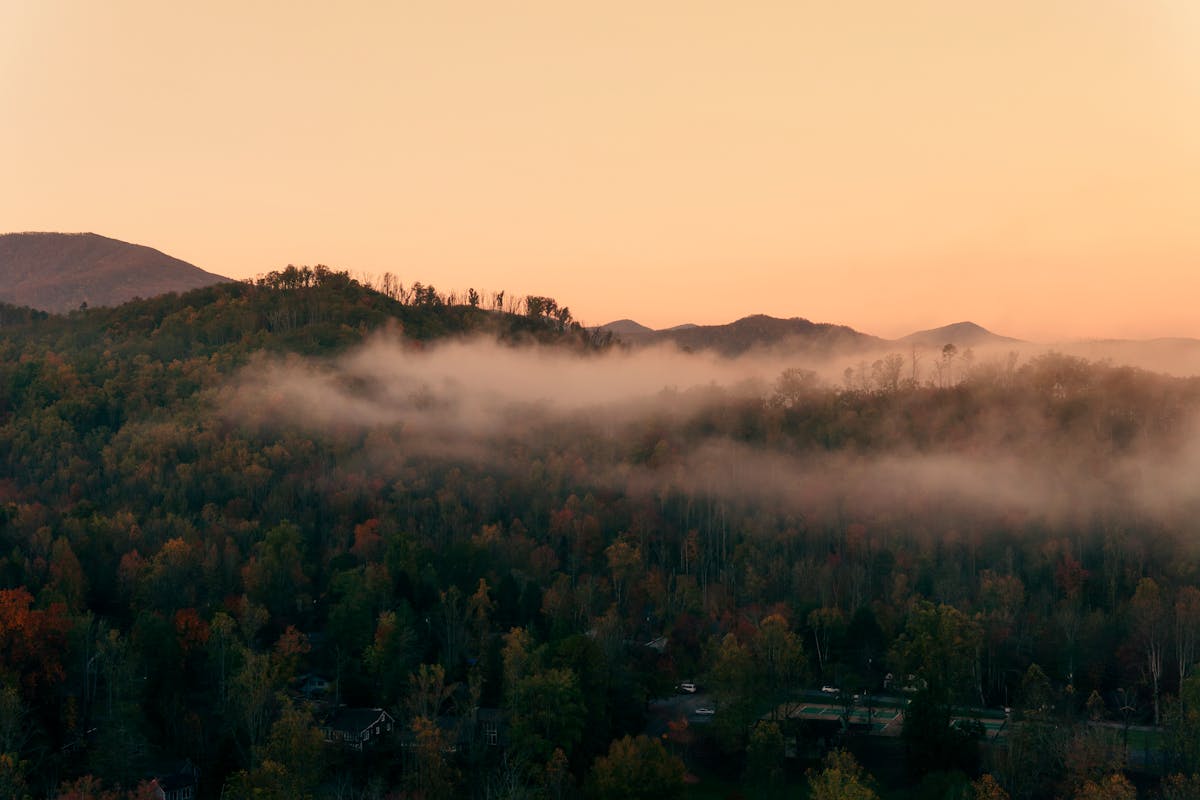
The drive itself is easy and genuinely pleasant. Take I-40 East out of Nashville, then cut south toward Gatlinburg or Pigeon Forge. The interstate stretch through middle Tennessee is a relaxing cruise – rolling wooded hills, rock cuts through the Cumberland Plateau, and wide-open sky. It’s quietly scenic the whole way. Once you hit the foothills east of Knoxville, the landscape shifts fast. The last 30 minutes into Gatlinburg – winding through the mountains with the Smokies rising ahead – is one of those drives that reminds you why you planned the trip.
Nashville: Start Here
Give Nashville at least two full days. Three is better.
The city is more walkable than most visitors expect. A solid majority of Nashville properties we reviewed are within walking distance of restaurants and nightlife, especially in Downtown, SoBro, and The Gulch.
Day 1: Downtown and Broadway. The honky-tonks on Lower Broadway are the obvious starting point, and they deliver. No cover charge, live music all day and night. Walk through the District, hit the Country Music Hall of Fame if that’s your thing, and grab dinner at one of the Downtown or SoBro restaurants that have put Nashville on the national food map.
Day 2: Neighborhoods. This is where Nashville rewards you for staying longer. The Gulch has the upscale dining and boutique shopping. East Nashville has the local-favorite brunch spots and independent coffee shops. Germantown has some of the city’s best restaurants in a quieter, more residential setting. Each neighborhood has its own personality – pick the one that matches yours.
One thing worth knowing: Nashville traffic is heavier than most visitors expect, especially around Downtown and during events. Staying within walking distance of Broadway and the main attractions makes a noticeable difference. You can walk to most of what you came for, and grab a rideshare for anything further out.
We’ve reviewed 49 Nashville properties across every major neighborhood. Browse them on the Nashville city page, or read our neighborhood guide to find the right base for your trip.
Where We’d Stay in Nashville


The Drive: Nashville to the Smokies
Leave Nashville in the morning. The drive east on I-40 takes about 3 hours to Knoxville, then another 45 minutes south to Gatlinburg or Pigeon Forge. Total drive time is 3.5 to 4 hours depending on traffic.
Worth a stop: Buc-ee’s in Crossville. About halfway between Nashville and Knoxville, there’s a Buc-ee’s right off I-40 in Crossville. If you haven’t been to one, it’s an experience in itself – massive travel center, solid road trip snacks, and clean restrooms. It’s become a landmark stop on this route and a natural spot to stretch your legs before the second half of the drive.
The approach. Once you leave the interstate and start heading into the Smokies, the road narrows and the mountains appear. The drive into Gatlinburg through the park entrance is beautiful in any season, but especially in October when the fall color is at its peak. Roll the windows down for this part.
Plan your trip
Ready to book Nashville?
Check availability and rates for your dates.
Powered by Booking.com. Affiliate links — we may earn a commission at no extra cost to you.
The Smoky Mountains: A Different Tennessee
Gatlinburg and Pigeon Forge are the gateway towns to Great Smoky Mountains National Park. The park itself is free to enter – one of the few national parks with no admission fee – and draws over 12 million visitors a year.
The Smokies are a completely different pace from Nashville. The main attractions here are the mountains themselves: hiking trails, waterfalls, scenic drives, and wildlife. Clingmans Dome (the highest point in Tennessee), Cades Cove (a valley loop drive with historic buildings and frequent bear sightings), and Laurel Falls (an easy 2.6-mile trail to a waterfall) are the highlights for first-time visitors.
Outside the park, Gatlinburg and Pigeon Forge have their own thing going on. Gatlinburg is the smaller, more walkable town with a charming downtown strip, local restaurants, and attractions like Anakeesta and the SkyBridge. Pigeon Forge is bigger and packed with entertainment – Dollywood, dinner theaters, and go-kart tracks – and especially popular with families.
Where to stay in the Smokies: Cabins are the signature accommodation here. A mountain cabin with a hot tub and a view of the ridgeline is the quintessential Smoky Mountains experience. The options range from rustic one-bedrooms to massive lodges that sleep 20+.
For an excellent, locally written guide to Smoky Mountain cabins, hotels, and attractions, check out Smoky Mountain Starlight. It’s run by someone who lives and works in Sevier County and knows the area inside and out – from which cabins have the best mountain views to which easy hikes lead to waterfalls. If you’re planning the Smokies leg of this trip, it’s the best resource we’ve found.
Putting the Trip Together
The ideal itinerary:
- Days 1-2: Nashville. Downtown, Broadway, neighborhoods, live music, food.
- Day 3: Drive to the Smokies (morning departure, arrive by early afternoon). Explore Gatlinburg or Pigeon Forge.
- Days 4-6: Great Smoky Mountains National Park. Hiking, scenic drives, waterfalls, wildlife.
- Day 7: Departure day, or one more morning in the mountains.
Budget notes: Nashville’s hotel scene spans a wide range, from boutique stays in The Gulch to more affordable options in Midtown. In the Smokies, cabins often work out cheaper per person than hotels if you’re traveling as a group, especially for longer stays.
Best time to go: October for fall foliage. April-May for wildflowers and mild weather. Summer is peak season with higher prices and bigger crowds at both ends. Winter is the value play – Nashville is less crowded and cabin rates in the Smokies drop significantly.
Browse all 49 Nashville properties on the Nashville city page to find the right place to start your road trip.
Frequently Asked Questions
Common questions about staying in Nashville, answered with data from our research.
How far is Nashville from the Smoky Mountains?
About 220 miles, roughly 3.5 to 4 hours of driving depending on traffic and which part of the Smokies you’re heading to. Gatlinburg and Pigeon Forge are the most common entry points. The drive is straightforward – mostly interstate until the last stretch through the foothills.
How many days do you need for a Nashville to Smoky Mountains road trip?
A week is ideal: 2-3 nights in Nashville, then 3-4 nights in the Smokies. If you’re short on time, you can do a long weekend in each. Nashville’s live music, food scene, and neighborhoods need at least two full days. The Smokies reward slower travel – hiking, scenic drives, and small-town exploring don’t feel right when rushed.
What is the best time of year for a Tennessee road trip?
October is peak season – fall foliage in the Smokies is spectacular, and Nashville’s weather is ideal. Spring (April-May) is a close second with wildflowers along the mountain trails and pleasant temperatures for walking Nashville’s neighborhoods. Summer works but expect heat in Nashville and crowds in Gatlinburg. Winter is the quiet season with lower prices and fewer visitors, though some mountain roads may close.
Should I start in Nashville or the Smoky Mountains?
Start in Nashville. The city’s energy is a great way to kick off the trip, and the transition from an urban music scene to mountain wilderness gives the road trip a natural arc. Ending in the Smokies also means you wind down in a more relaxed setting rather than jumping back into city pace.
Browse by style in Nashville
Related Guides
More travel intel for planning your trip.