
Where to Stay in Waikiki: A Neighborhood Guide
From beachfront icons to quieter inland blocks, here is how to choose the right Waikiki base for your trip.
The Waikiki Stay Decision
Waikiki looks compact on a map, but where you stay changes the trip more than most visitors expect. A beachfront tower on Kalakaua feels very different from an inland boutique property on Kuhio, even when the two are only a few blocks apart. The right choice comes down to your pace, your budget, and how much you care about direct beach access versus total value.
We reviewed 47 Waikiki properties and grouped them by how travelers actually use the area. Here is the practical breakdown.
One quick note on weather: Waikiki gets frequent showers, especially in winter months. Don’t let the forecast scare you. They’re light, warm, and usually pass in minutes – more of a welcome break from the sun than anything you need to plan around.
Kalakaua Beachfront Corridor
Best for: First-time visitors, celebration trips, beachfront convenience
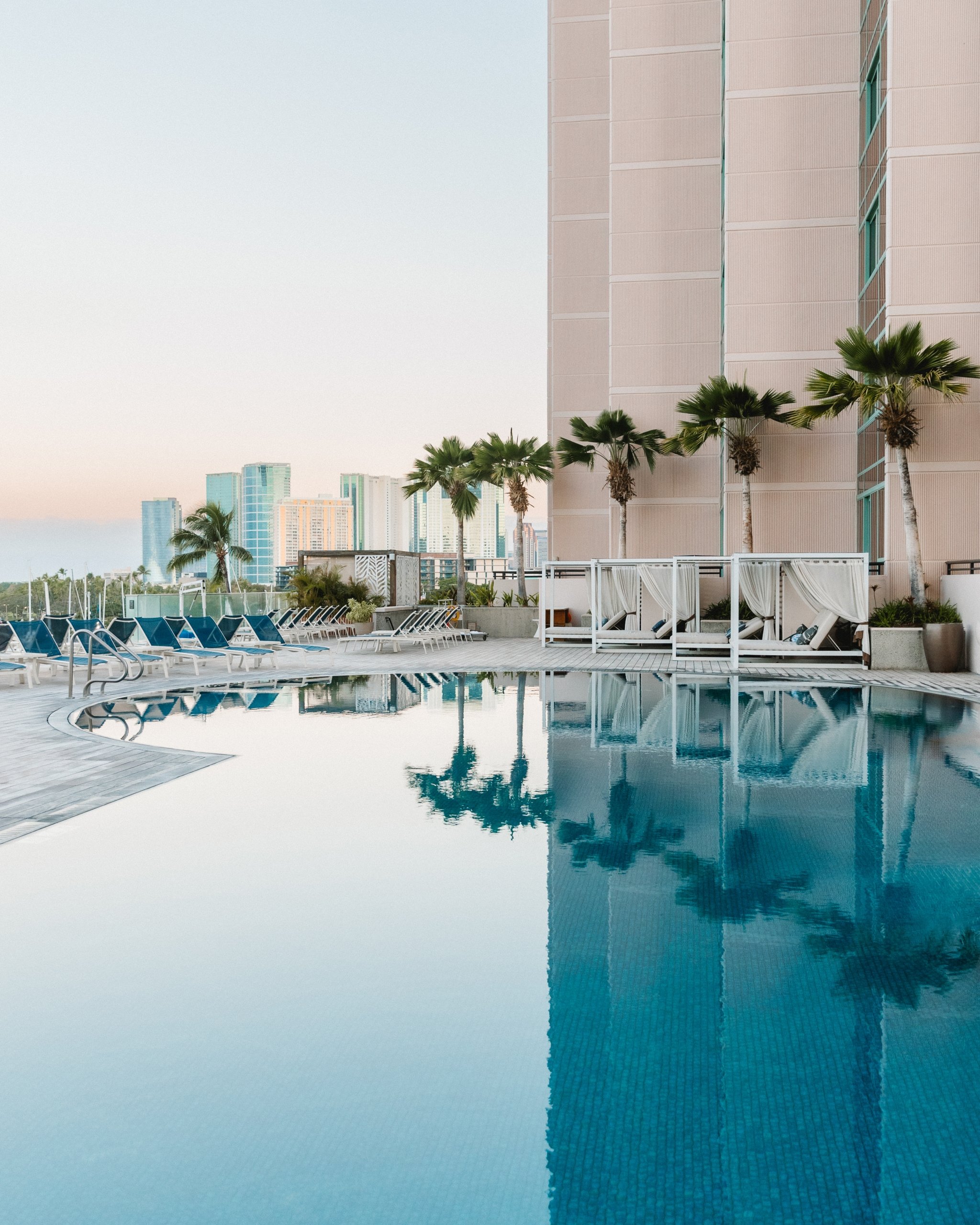
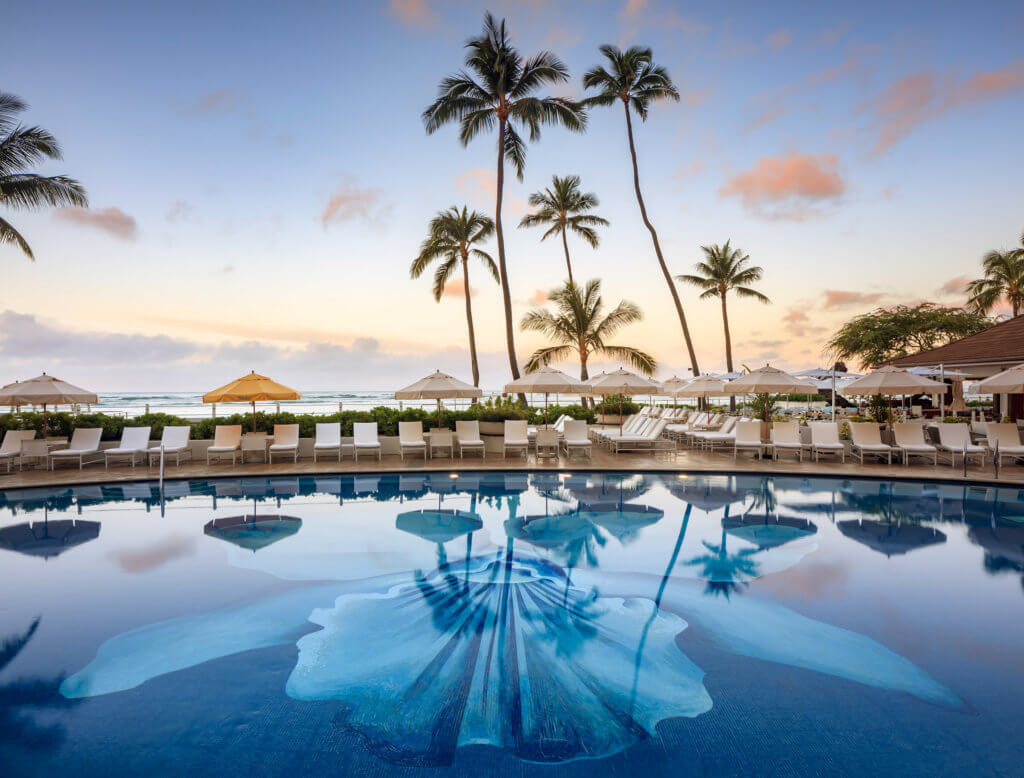
This is the postcard Waikiki most people picture: oceanfront resorts, wide beach access, and the highest concentration of iconic properties. If you want to walk out of your lobby and be on the sand in minutes, this is the easiest answer.
Beach access is a real strength in Waikiki overall. Over half of reviewed properties offer direct or near-direct access, and the Kalakaua corridor is where that density is highest.
The trade-off is price and pace. You are paying for location, and the energy is constant from morning surf lessons to evening restaurant traffic.
Who should stay here: Travelers who want the classic Waikiki experience and are willing to pay for immediate beach convenience.
Where We’d Stay in Waikiki
Kuhio Avenue and Inland Blocks
Best for: Value-focused travelers, longer stays, practical planners
Move one to three blocks inland and Waikiki changes quickly. You are still close enough to walk to the beach, but rates often improve and the hotel mix gets broader. This area works well for travelers who care more about using Waikiki as a base than paying for an oceanfront address.
Waikiki remains highly practical on foot in these blocks too. Most reviewed properties are walkable to restaurants, so you can still eat and explore without a car.
Inland locations can also be easier for quick pickups, rideshares, and tour departures than the busiest beachfront frontages.
Who should stay here: Travelers who want strong value and walkability, and do not need a direct ocean-view room.
Plan your trip
Ready to book Waikiki?
Check availability and rates for your dates.
Powered by Booking.com. Affiliate links — we may earn a commission at no extra cost to you.
Ala Moana Edge and West Waikiki
Best for: Repeat visitors, shopping-focused trips, quieter evenings
The western edge toward Ala Moana gives you a different rhythm. You are still connected to Waikiki, but the pace is usually less intense. This can be a smart compromise for travelers who want access to both Waikiki and Honolulu neighborhoods without feeling locked into the busiest blocks.
This zone is especially useful if you plan to split time between beach days and city outings.
If you plan to rent a car for North Shore or windward coast day trips, parking availability matters. A healthy share of Waikiki properties include or simplify parking, and that can save both time and budget over a week-long stay.
Who should stay here: Travelers who prefer a slightly calmer base and plan to move around Oahu beyond central Waikiki.
Choosing by Trip Type
Couples and celebration trips
If the trip is centered on dining, sunset walks, and elevated resort amenities, prioritize Kalakaua or premium nearby blocks.
Families
Families typically do best with properties that balance room setup, easy beach logistics, and predictable transportation. Slightly inland can work very well when it reduces cost and keeps space/flexibility high.
Remote work or blended trips
Waikiki can work surprisingly well for work-travel blends if you prioritize reliable internet and a practical room layout.
Booking Strategy That Actually Helps
- Decide corridor first, hotel second. Neighborhood fit usually matters more than small differences in brand or room category.
- Compare beachfront premium honestly. In many cases, moving two blocks inland saves enough to fund better experiences on-island.
- Check logistics before booking. Elevator wait times, parking setup, and tour pickup access can affect day-to-day quality more than lobby aesthetics.
- Book earlier for peak windows. Spring break and summer periods tighten availability quickly in prime blocks.
A Simple Way to Pick Faster
If this is your first Waikiki trip, start with beachfront and compare against one inland value option before deciding. If this is a return trip, consider west Waikiki or Ala Moana-adjacent stays for a different pace.
Browse the full Waikiki city page for all verified listings, then narrow by style in the Waikiki luxury collection. You can also use the travel style quiz to filter options in under a minute.
Frequently Asked Questions
Common questions about staying in Waikiki, answered with data from our research.
What part of Waikiki is best to stay in?
For first-time visitors, the Kalakaua Avenue beachfront corridor is usually the best fit because you are close to the beach, dining, and major attractions. Kuhio Avenue is often better for value-focused travelers who still want walkability. The western Ala Moana side can work well for travelers who prefer a slightly quieter base with easier shopping and transit access. The best area depends on whether your priority is direct beach access, nightlife, or price.
Is Waikiki expensive for hotels?
Waikiki has every price band, but oceanfront and peak-season dates command premium rates. You can usually find better value one to three blocks inland on Kuhio Avenue while keeping easy beach access. Waikiki also has a strong premium segment, so it helps to decide early if you want resort-style amenities or simply a clean, walkable base.
Do you need a car in Waikiki?
Most travelers do not need a car for a Waikiki-focused trip. The area is compact and walkable, and many dining, beach, and shopping options are close together. Parking is not universal across properties, so if you plan island day trips, filter for hotels that include or simplify parking. Rideshare and tours can cover most off-site plans without rental-car hassles.
How many days should I stay in Waikiki?
Four to six days is a strong range for most visitors. That gives enough time for beach days, Diamond Head, one or two day trips, and evenings in Waikiki without feeling rushed. If this is your first Oahu trip, five nights is usually the sweet spot.
Browse by style in Waikiki
Related Guides
More travel intel for planning your trip.