
The Ultimate Chicago Bucket List 2026
Best things to do, local food, neighborhoods worth exploring, and hidden gems -- with verified hotel bases for every plan.
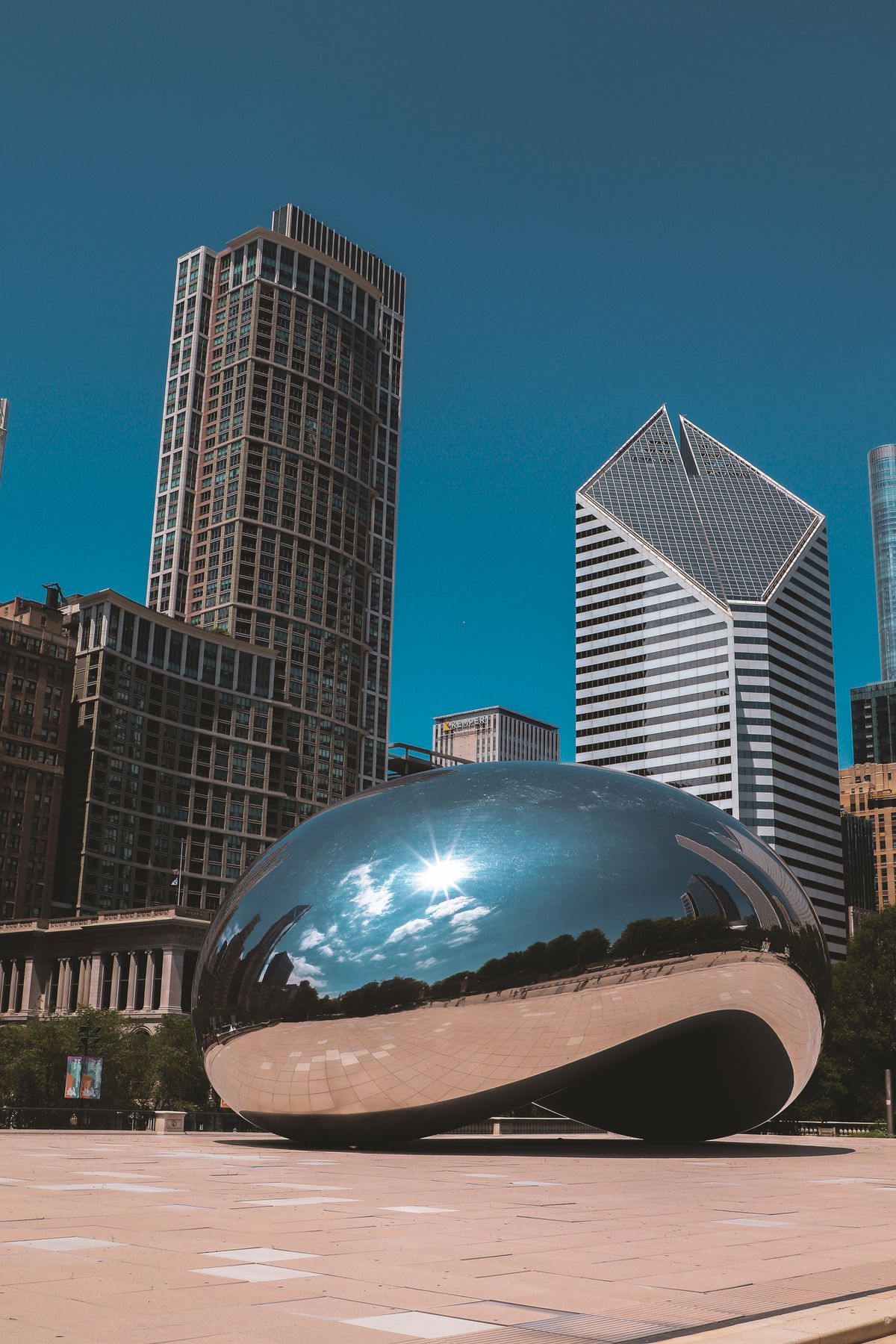
You know you are in Chicago when the skyline folds into Cloud Gate at golden hour and the whole grid suddenly makes sense – lake on one side, towers on the other, and a walkable core between them that rewards a save-for-later list more than a rushed weekend. The Langham, Chicago, Viceroy Chicago, and Kimpton Gray Hotel sit at three different speeds – Loop polish, Gold Coast proximity, River North walkability – and the right base determines whether your bucket list feels like a vacation or a series of transit hops.
This is the definitive menu for 2026: best things to do, local food you have to try, neighborhoods worth exploring, and hidden gems locals actually repeat. We scored 51 verified Chicago properties so every hotel mention below maps to real data, not generic Magnificent Mile advice.
Browse the full lineup on our Chicago hotel guide, or narrow by trip type: luxury, couples, boutique, and nightlife.
Best Things To Do
Treat this as a menu, not a marathon. Most visitors knock out ten to twelve items across four days.
-
Stand at Cloud Gate at the right hour. Early morning or late afternoon – when the light is low and the reflections are sharp. Millennium Park connects straight into Maggie Daley Park and the lakefront trail if you want to extend the walk.
-
Take an architecture river cruise. The Chicago River is the fastest way to understand why this city looks the way it does. Book a daytime or sunset slot; the commentary matters as much as the photos.
-
Walk the Art Institute slowly. Block two to three hours minimum. This is not a check-the-box museum – it is one of the anchors that justifies a Chicago trip on its own.
-
Ride the L for one intentional loop. The Brown Line north or the Red Line south gives you a ground-level read of neighborhoods you will not see from a rideshare window.
-
Catch the view from 360 Chicago or Skydeck. Pick one observation deck and commit. The layout of the lake, the grid, and the south-side horizon clicks when you see it from above.
-
Spend an evening in the Theater District. A Broadway touring show or a Chicago-born production – book before you finalize every dinner reservation.
-
Walk Navy Pier at sunset, then leave. The pier is tourist-heavy by design; the lake light at dusk is still worth the stroll if you are staying nearby.
-
Explore the Museum Campus at opening. Shedd Aquarium, Field Museum, or Adler Planetarium – choose one and go when doors open, especially on summer weekends.
-
See a free morning at Lincoln Park Zoo. One of the last free major zoos in the country, set inside a neighborhood that feels residential and leafy compared to the Loop.
-
Listen to live jazz somewhere small. Green Mill or a room in Uptown – Chicago’s music history is not only the festivals on the lakefront.
-
Ride the 606 trail at least once. Elevated rails turned greenway – a different angle on the city than the river or the lake.
-
End with a slow lakefront walk. The bucket list trips that finish on the water feel finished. Rush straight to O’Hare and the whole week blurs together.
Local Food You Have To Try
Chicago food is a set of rules and rituals, not a generic “food scene” label.
Deep-dish pizza is a sit-down commitment – knife, fork, and a table you booked or waited for on purpose. Treat it as one anchor meal, not a snack between sights.
Italian beef is the opposite – often eaten standing, dipped or dry, with hot peppers if you want heat. It is the sandwich locals defend block by block.
Chicago-style hot dog means an all-beef dog with mustard, onion, relish, tomato, pickle, sport peppers, and celery salt – no ketchup. Order it from a dedicated stand and eat it while you walk.
Garrett Popcorn is the airport-and-gift-shop classic for a reason – the mix of caramel and cheese is pure Chicago souvenir logic.
West Loop and Fulton Market are where the city eats seriously now. Even if the rest of your trip is casual, book one chef-driven dinner here. The Hoxton, Chicago and Level Chicago - Fulton Market put you in the right zip code for that reservation.
Breakfast matters. Chicago diners and bakery counters reward early mornings before museum lines form – especially on cold-weather trips when a hot meal resets the day.
Where We’d Stay in Chicago
See all 51 →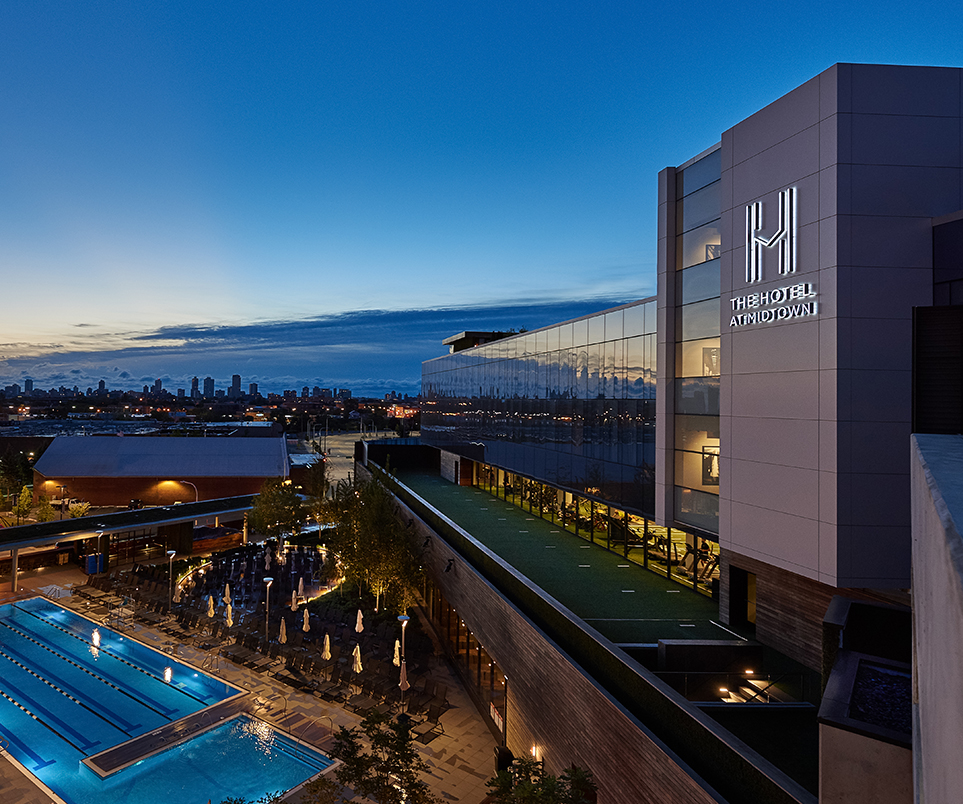
The Hotel at Midtown
Check Rates →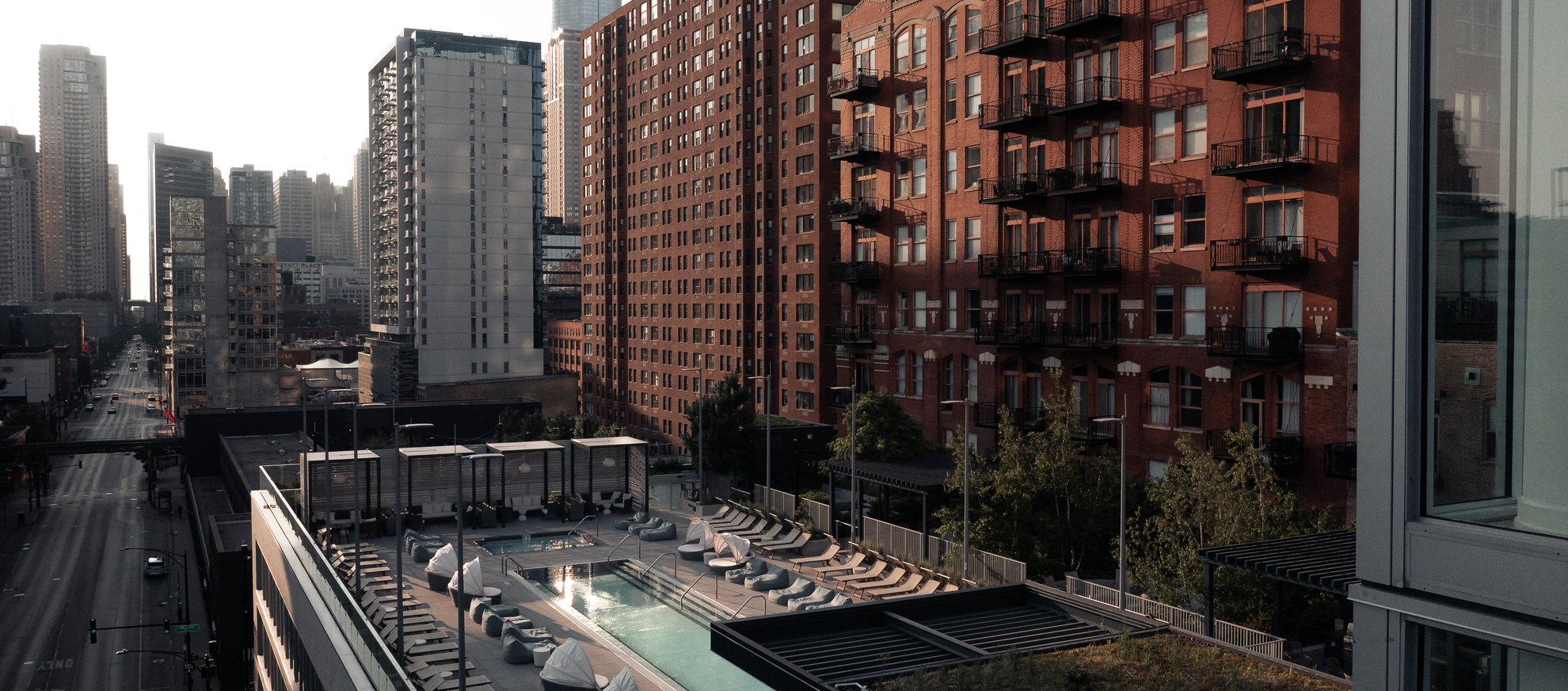
Level Chicago - River North
Check Rates →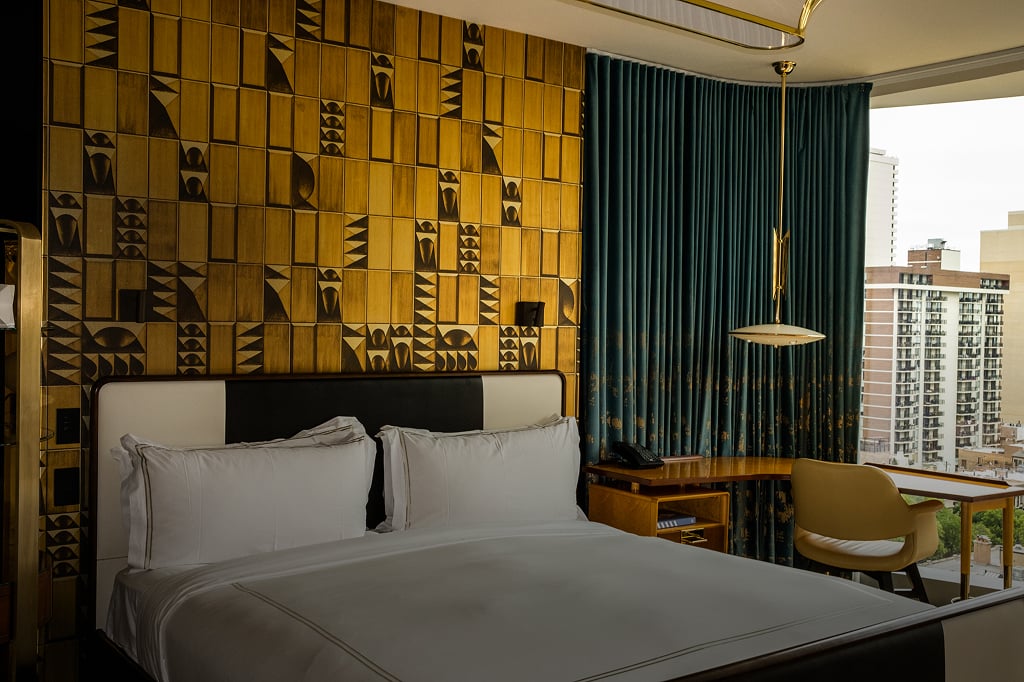
Viceroy Chicago
Check Rates →Neighborhoods Worth Exploring
Your neighborhood choice is the single biggest decision after dates.
The Loop is the default for first-timers – Millennium Park, the Art Institute, theater, and the riverwalk within a compact footprint. Kimpton Gray Hotel and Fairmont Chicago, Millennium Park are natural Loop-adjacent bases when you want park and museum access without a car.
River North and the Magnificent Mile stack galleries, retail, and rooftop bars in walkable density. The Langham, Chicago and Viceroy Chicago fit trips built around polished dining and late walks along Michigan Avenue.
West Loop / Fulton Market is the restaurant corridor that changed Chicago’s national reputation. Stay here when your bucket list is mostly reservations and cocktail bars – The Hoxton, Chicago and Level Chicago - Fulton Market match that rhythm.
Wicker Park and Logan Square deliver indie shops, live music, and a younger bar scene west of the river. The Robey is the standout verified pick when you want skyline views with a neighborhood that feels local at street level.
Lincoln Park is leafy, lake-adjacent, and family-friendly without feeling suburban. Zoo mornings, North Avenue Beach, and dinner on Armitage or Clark Street fit a calmer pace.
Gold Coast is quiet luxury – historic mansions, Oak Street Beach, and a residential hush a few blocks from the noise of Michigan Avenue.
Browse all Chicago hotels or use our boutique collection if design-forward stays are part of the trip.
Hidden Gems Locals Love
The obvious Chicago list is well mapped. These are the repeats locals actually make time for.
Promontory Point in Hyde Park – stone ledges, skyline views across the water, and a picnic culture that feels removed from downtown crowds.
Ping Tom Memorial Park in Chinatown – riverfront paths and a pagoda-style pavilion that most Loop-first visitors never see.
Rogers Park beaches – Howard Street east to the lake for a swim-and-walk day when downtown feels crowded.
Maxwell Street Market (when running) – the open-air market energy that connects Chicago’s immigrant food history to the present.
The 606 at dawn – before cyclists and runners fill the trail, the city reads quiet and industrial in the best way.
Green Mill in Uptown – jazz history, no pretense, and a room that has not tried to become a tourist product.
Arcade bars and old-school bowling alleys in Logan Square – low-key nights that balance a heavy museum day.
Pair one hidden gem with one headline sight per day. That mix is how repeat visitors keep Chicago from feeling like a checklist.
Top-Booked Chicago Tours
Where to Stay
Chicago hotel choice is really neighborhood-and-walkability choice.
Loop / Millennium Park: Fairmont Chicago, Millennium Park for park-front access and museum mornings; Kimpton Gray Hotel for a polished Loop base with strong walk scores.
River North / Magnificent Mile: The Langham, Chicago and Viceroy Chicago for luxury trips built around dining, galleries, and Michigan Avenue walks.
Fulton Market: The Hoxton, Chicago and Level Chicago - Fulton Market when reservations and cocktail bars anchor the itinerary.
Wicker Park / Logan Square: The Robey for skyline views and a neighborhood pace that feels local after dark.
Weekend inventory moves fast – especially spring through fall festival season – so lock your room before you chase every restaurant reservation. Compare verified stays on the Chicago city page or narrow to luxury if the splurge is part of the plan.
Getting Around
The Loop, River North, and Magnificent Mile compress into walkable half-days if you plan one corridor at a time. Millennium Park to the riverwalk, Michigan Avenue to the Art Institute, Fulton Market to the West Loop – each pairing works on foot with the L as backup.
The lakefront trail links Oak Street Beach, North Avenue Beach, and Museum Campus with miles of uninterrupted walking when weather cooperates. Treat the L like a sightseeing tool, not just transit – the elevated sections give you views rideshares never will.
A strong share of verified Chicago properties we track sit in walkable or semi-walkable locations – match your hotel to the bucket list items you will repeat daily, not the sights you visit once.
Plan your trip
Ready to book Chicago?
Check availability and rates for your dates.
Powered by Booking.com. Affiliate links — we may earn a commission at no extra cost to you.
When to Go
Late May through June and September through October are the balanced windows. Average highs land in the 70s and low 80s – warm enough for lakefront walks and rooftop drinks without July’s humidity.
Summer (July and August) pushes highs into the mid-80s with sticky afternoons. Festivals, baseball, and beach days fill the calendar; hotels near the lake and Loop book early.
Winter (December through February) averages highs in the 30s – cold, but manageable for museum-heavy itineraries and Theater District nights if you pack layers and plan indoor anchors between outdoor stretches.
Spring and fall reward planners. Hotel rates soften on midweeks even when weekends fill for marathons, food festivals, and convention weeks.
The itinerary that works year-round: outdoor and lakefront in the morning, museums and long lunches midday, neighborhoods and shows after dark.
More Verified Stays in Chicago
See all 51 →
Kimpton Gray Hotel
Check Rates →
The Godfrey Hotel Chicago
Check Rates →
Trump International Hotel & Tower® Chicago
Check Rates →
Ambassador Gold Coast - The Chicago Hotel Collection
Check Rates →
Villa D' Citta Bed & Breakfast
Check Rates →
SOPHY - Hyde Park
Check Rates →Quick Picks
- Loop-first luxury: The Langham, Chicago or Kimpton Gray Hotel – luxury collection
- Magnificent Mile polish: Viceroy Chicago – couples collection
- Restaurant-corridor base: The Hoxton, Chicago or Level Chicago - Fulton Market – boutique collection
- Skyline views + neighborhood nights: The Robey – nightlife collection
- Millennium Park mornings: Fairmont Chicago, Millennium Park
Trip Essentials
Layers you can actually carry. Chicago weather shifts block by block near the lake – a light jacket saves theater nights even in spring.
Comfortable walking shoes. The bucket list is a mileage plan. Save dress shoes for dinner only.
A transit card or tap-to-pay plan for the L. Faster than curbside rideshares during rush windows.
One booked reservation. Deep dish, a West Loop tasting menu, or a jazz room – anchor the trip with one meal you planned on purpose.
For broader packing ideas, our travel essentials checklist covers warm- and cold-weather basics that work beyond Chicago.
Lock It In
Chicago is not about doing everything – it is about picking the right ten experiences and the hotel that makes them easy. Start with the items you will repeat (lakefront walks, one museum, one neighborhood night), match the base, then browse 51 verified stays on the Chicago city page.
If your dates are set, book the room before the show tickets and the West Loop reservation. The view you want and the weekend you want rarely stay open at the same time.
Frequently Asked Questions
Common questions about staying in Chicago, answered with data from our research.
How many days do you need for a Chicago bucket list trip?
Four full days is the sweet spot. That covers Millennium Park and the Art Institute, one architecture-focused day, a neighborhood deep dive (Wicker Park, Lincoln Park, or the West Loop), and a lakefront or museum-campus morning without turning every meal into a sprint. Three nights works for a long weekend if you pick one corridor and repeat it.
What food is essential on a first Chicago trip?
Deep-dish pizza, an Italian beef sandwich, and a Chicago-style hot dog are the classics – order the dog without ketchup and treat deep dish as a dedicated sit-down meal, not a slice on the run. The West Loop and Fulton Market add chef-driven dining that rivals any U.S. city; save one reservation for that corridor even if the rest of the trip is casual.
Where should you stay for a Chicago bucket list trip?
Loop and River North if you want Millennium Park, the Magnificent Mile, and theater within walking distance – The Langham, Chicago, Kimpton Gray Hotel, and Fairmont Chicago, Millennium Park are strong verified picks. Fulton Market and Wicker Park work when your list leans restaurants and neighborhood bars – The Hoxton, Chicago and The Robey match that pace. Match the hotel to the neighborhood you will repeat, not the one you visit once.
Do you need a car in Chicago?
Not for a downtown-first bucket list. The L, buses, and rideshares cover Loop, River North, Lincoln Park, and Wicker Park efficiently. Rent a car only if you are staying far from the core, planning multiple lakefront or suburban day trips, or building a longer Midwest road trip around the city.
When is the best time to visit Chicago?
Late May through June and September through October are the balanced windows – warm enough for lakefront walks without July humidity. Summer fills with festivals and rooftop season; winter is cold but manageable for museum-heavy itineraries and often softer on midweek rates. Spring and fall reward people who book hotels before festival weekends lock inventory.
Browse by style in Chicago
Related Guides
More travel intel for planning your trip.