
First Trip to Charleston SC: What to Know Before You Go
How many days, which neighborhood, when to visit, and the mistakes first-timers make in the Holy City.
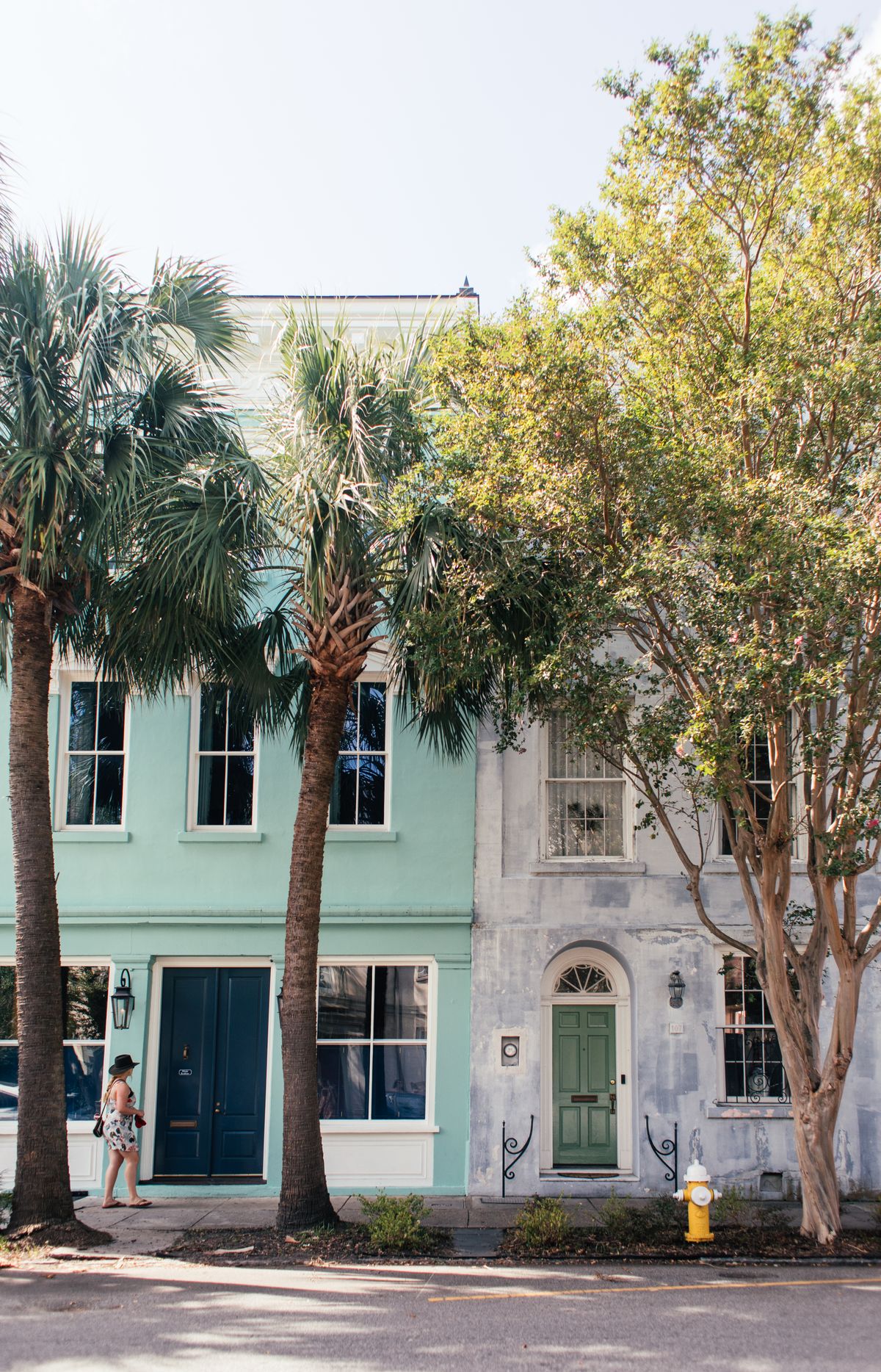
Charleston is one of the few American cities where the architecture, the food, and the pace of life all pull in the same direction. There is no filler here – no strip malls pretending to be charming, no chain restaurants posing as local. What you see is what you get, and what you get is a city that has been refining itself for three hundred years.
But that polish comes with logistics. The best hotels are small and book early. The best restaurants require reservations timed to the day they open. The neighborhoods feel close on a map but play very differently on the ground. This guide is the planning layer – the decisions you make before you pack.
If you already know your travel style, skip straight to the curated shortlists: Charleston couples stays, boutique hotels, luxury properties, or family-friendly stays.
How Many Days Do You Actually Need?
Three to four full days. Not two. Not five.
Two days is a highlights reel – you will see Rainbow Row, eat one great dinner, and leave feeling like you missed the point. Five days and you start running out of new ground unless you are serious about day-tripping to plantations, Kiawah Island, and the ACE Basin.
Three days lets you settle in. One day for the Historic District on foot (the Battery, Waterfront Park, the French Quarter alleys south of Broad Street). One day for the Upper King Street corridor – the restaurant and design scene that put Charleston on magazine covers. One day for something beyond downtown: Sullivan’s Island for the beach, Middleton Place for the history, or Shem Creek in Mount Pleasant for the waterfront seafood and kayaks.
A fourth day is breathing room. It is the morning you wake up with no plan and end up at a coffee shop on Cannon Street reading a book, then wandering into a gallery you did not know existed. Charleston rewards that kind of aimlessness.
When to Visit
The best windows are spring (late March through May) and fall (September through November).
Spring is peak season for a reason. The city is in full bloom – azaleas, jasmine, wisteria climbing over every iron gate in the Historic District. Temperatures land in the mid-70s. The Wine + Food Festival in early March kicks off the season. The trade-off is pricing: hotels and flights peak here too.
Fall is the underrated play. The heat breaks by mid-October, the summer crowds thin out, and the rates drop. November still holds temperatures in the 60s and 70s, which is T-shirt weather for anyone coming from the Northeast or Midwest.
Summer (June through August) is honest-to-God hot. Average highs in the low 90s, humidity that makes the air feel thick, and afternoon thunderstorms that roll in like clockwork around 3 PM. The city is beautiful in summer – the light is extraordinary – but you will be ducking into air conditioning every hour if you are walking the Historic District. Plan outdoor time for mornings.
Winter (December through February) is mild and quiet. Highs in the 50s and 60s. The crowds disappear, the rates drop, and the restaurants are easier to get into. If you do not need beach weather, winter Charleston has a moody, off-season charm that some travelers prefer to the peak-season polish.
Where We’d Stay in Charleston

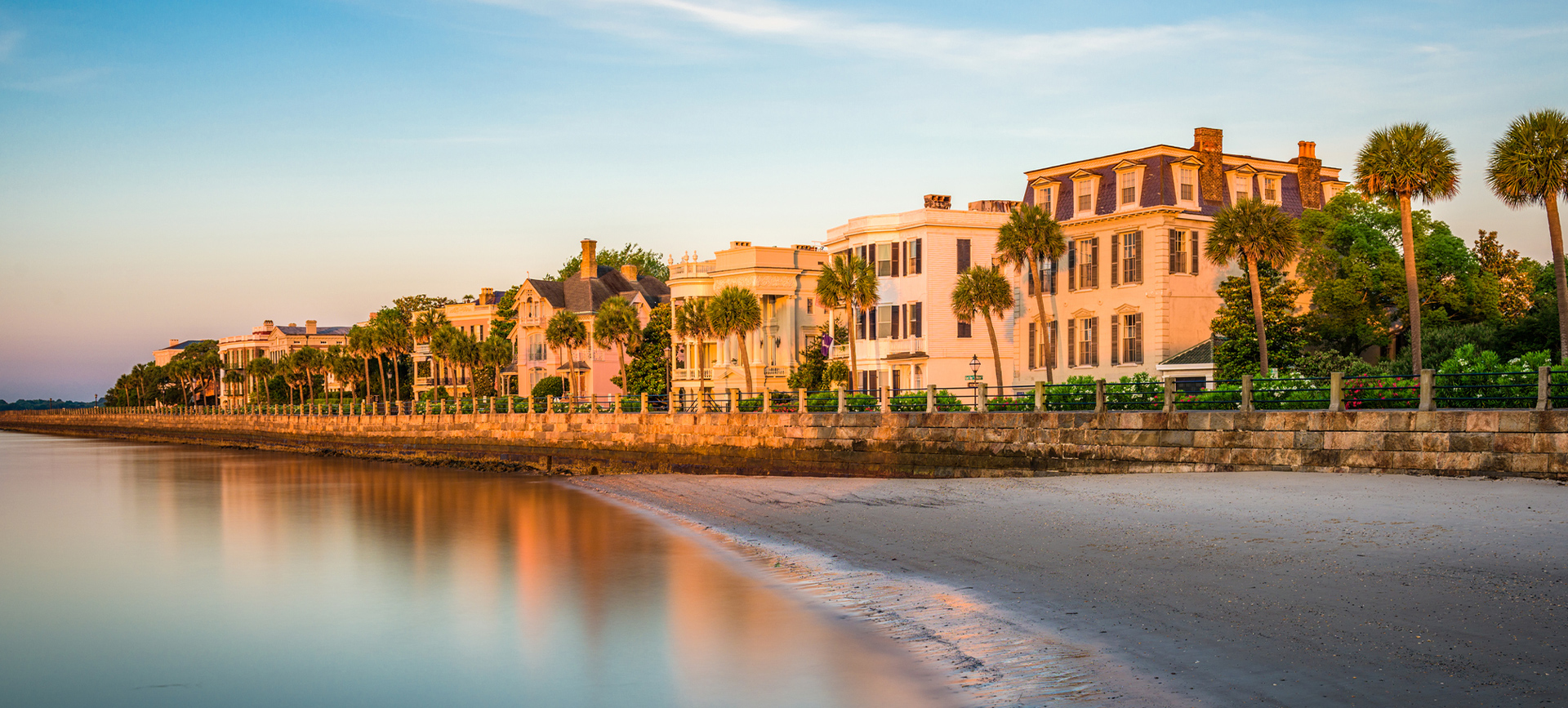

Where to Stay: The Short Version
Your neighborhood is the single biggest decision. Rather than re-map the entire city here, I will give you the decision framework and send you to our full Charleston neighborhood breakdown for the deep dive.
Historic District / South of Broad – The default for first-timers. Cobblestone streets, pastel Georgian row houses, walking distance to everything that defines Charleston. Hotels here are boutique inns in converted historic buildings. HarbourView Inn and The Ansonborough are strong examples – courtyard gardens, piazzas, interiors that lean into the city’s DNA. Premium pricing, limited parking.
Upper King Street – The food-and-design corridor. Younger energy, modern hotel interiors, rooftop bars. The Restoration Charleston and The Ryder Hotel anchor this stretch. Best for travelers who care more about the dinner reservation than the horse-drawn carriage.
Mount Pleasant – Across the bridge. Better for families and value seekers. You need a car, but the rooms are newer and the rates are noticeably lower. Shem Creek alone is worth the drive.
The islands (Sullivan’s, Isle of Palms) – Beach-first trips or split stays (two nights downtown, two on the island). Different vibe entirely: flip-flops, salt air, no nightlife.
Browse all 41 scored properties on the Charleston city page, or take the travel style quiz to match your priorities to the right property.
Plan your trip
Ready to book Charleston?
Check availability and rates for your dates.
Powered by Booking.com. Affiliate links — we may earn a commission at no extra cost to you.
The Rental Car Question
You probably do not need one.
95% of the Charleston properties we reviewed are walkable to dining and attractions. The Historic District is flat, compact, and roughly two miles north to south. If you stay downtown, your feet and the occasional rideshare cover everything.
Where a car becomes a liability: parking. The streets south of Broad are narrow and historically protected. Valet at boutique properties like The Loutrel or Zero George runs $30-$45 per night. Street parking enforcement is aggressive and the meters are not forgiving.
Rent a car if: you are staying in Mount Pleasant, you want to day-trip to the islands or plantations more than once, or Charleston is one stop on a longer coastal road trip. Otherwise, skip it.
What to Book First (and How Far Out)
Charleston rewards planners. Here is the timeline:
Your hotel – 3 to 4 months out for peak season. The top boutique properties in the Historic District have 20-50 rooms. When they sell out, they are gone. Spring weekends (March through May) and fall weekends (October, November) fill fastest. If you are flexible on dates, midweek stays are easier to land and often $50-$100 cheaper per night.
Dinner reservations – 30 to 60 days out. The serious restaurants (you know the ones – the James Beard finalists, the places your food-obsessed friend insists you try) open reservations exactly 30 days in advance on Resy or OpenTable. Set a calendar reminder for the day your target date opens, or you will be eating at 5:15 PM or 9:45 PM. That said, some of the best meals in Charleston are at walk-in-only spots and casual counters that do not take reservations at all.
Tours and activities – 1 to 2 weeks out. Walking tours, carriage rides, boat excursions, and Fort Sumter ferry tickets are plentiful but time-slot sensitive. Morning tours in spring and fall book out first because the weather is perfect. Book at least a week ahead for your preferred time.
Mistakes First-Timers Make
Driving downtown. Covered above, but it bears repeating: do not bring a car into the Historic District unless you enjoy paying $40 a day to not use it.
Underestimating the heat. If you are visiting between June and September, plan outdoor time before 11 AM and after 5 PM. The midday heat is not a mild inconvenience – it will reshape your itinerary whether you plan for it or not.
Skipping the neighborhoods north of Broad. Most first-timers cluster around the Battery and Rainbow Row. Those are beautiful, but the energy of Charleston is on Upper King Street and in Cannonborough-Elliotborough. Cross Marion Square northward and the city opens up.
Not making restaurant reservations. Charleston’s dining scene is legitimately world-class, and it operates like one. If you show up hoping to walk into a top-tier restaurant on a Saturday night, you will be redirected to the bar menu.
Trying to do too much. Charleston is small. Its power is in the pace, not the checklist. Leave room for the unplanned – the courtyard garden you spot through an open gate, the church concert you hear from the sidewalk, the two-hour lunch that turns into the best part of the trip.
Your Planning Checklist
- Pick your dates. Spring or fall for the best experience. Summer if you embrace the heat. Winter for the contrarian play.
- Choose a neighborhood. Use our neighborhood guide to narrow it down. Historic District for first-timers, Upper King for food lovers.
- Book your hotel. Three to four months out for peak weekends. Browse the full Charleston city page or go straight to couples, boutique, or luxury collections.
- Lock in 2-3 dinner reservations. Set calendar reminders for the 30-day-out window.
- Skip the rental car unless you are staying off the peninsula.
- Pack for the weather. Layers in spring and fall, sunscreen and a water bottle in summer, a light jacket in winter.
If you are also considering Charleston as a couples getaway, the romantic angle is one of the city’s strongest suits – the architecture, the scale, and the dining scene are built for it. And for the historically-minded, our best historic hotels guide narrows the field to properties where the building itself is part of the experience.
Frequently Asked Questions
Common questions about staying in Charleston, answered with data from our research.
How many days do you need for a first trip to Charleston?
Three to four full days is the sweet spot. That gives you a day in the Historic District, a day on Upper King Street for food and shopping, a day trip to Sullivan’s Island or a plantation tour, and enough buffer to eat well without rushing. Weekend trips work but you will feel the clock.
Do you need a rental car in Charleston?
Not if you stay downtown. The Historic District and Upper King Street are flat and compact – 95% of the properties we reviewed are walkable to dining and attractions. Rideshares handle airport transfers and beach excursions. Only rent a car if you are staying in Mount Pleasant or making multiple day trips outside the city.
What is the best time of year to visit Charleston?
Late March through May and September through November. Spring brings azaleas, mid-70s temperatures, and the Wine + Food Festival. Fall has similar weather with smaller crowds and lower rates. Summer (June through August) averages highs in the low 90s with high humidity and daily afternoon thunderstorms – beautiful but punishing if you are on foot all day. Winter is mild (50s-60s) and quiet, which is either a plus or a minus depending on your style.
Is Charleston expensive?
The Historic District is premium-priced – most boutique hotels land between $250 and $500 a night in peak season. Dinner for two at a reservations-required restaurant typically runs $120-$180 before drinks. But Charleston does not require spending at that level. Mount Pleasant has rooms under $200, and some of the best food in the city comes from casual spots with no reservation needed.
What is the biggest mistake first-time visitors make in Charleston?
Driving and parking downtown. The streets are narrow, historic, and aggressively enforced. Valet fees at boutique hotels run $30-$45 a night, and street parking tickets are swift. The better move is to skip the rental car entirely and walk – the core of Charleston is less than two miles across.
Browse by style in Charleston
Related Guides
More travel intel for planning your trip.