
Miami vs San Diego: Best Beach City for Couples
Two of America's best coastal cities, two very different vibes. We compared the data to help you pick.
Two Beach Cities, Two Very Different Nights Out
This is one of the most common trip-planning debates for couples: Miami or San Diego? Both are coastal, both have great food scenes, and both show up on every “best beach city” list. But the experiences are fundamentally different, and choosing the wrong one for your travel style can turn a great trip into a mismatch.
We evaluated 69 Miami properties and 52 San Diego properties across amenities, location, quality, and vibe. Here’s how the data breaks down for couples specifically.
The Vibe Check: Energy vs Ease
This is the single biggest differentiator, and it should drive your decision before anything else.
Miami runs hot. The dining scene starts late, the nightlife is world-class, and the atmosphere rewards people who want to be seen. South Beach and Brickell have an energy that’s closer to Barcelona or Ibiza than a typical American beach town. If your ideal couples trip involves cocktail bars, Art Deco architecture, a Wynwood gallery afternoon, and dinner at 9 PM, Miami is built for you.
San Diego runs warm. The vibe is California-relaxed – craft breweries, fish tacos at sunset, tide pool exploring in La Jolla. The dining scene is excellent but unhurried. Nightlife exists in the Gaslamp Quarter but the city doesn’t center around it. If your ideal couples trip involves morning coffee by the ocean, an afternoon hike at Torrey Pines, and early dinner with a view, San Diego is your city.
Where We’d Stay in Miami



The Beach Comparison
Well over half of the Miami properties offer beach access, compared to over half in San Diego.
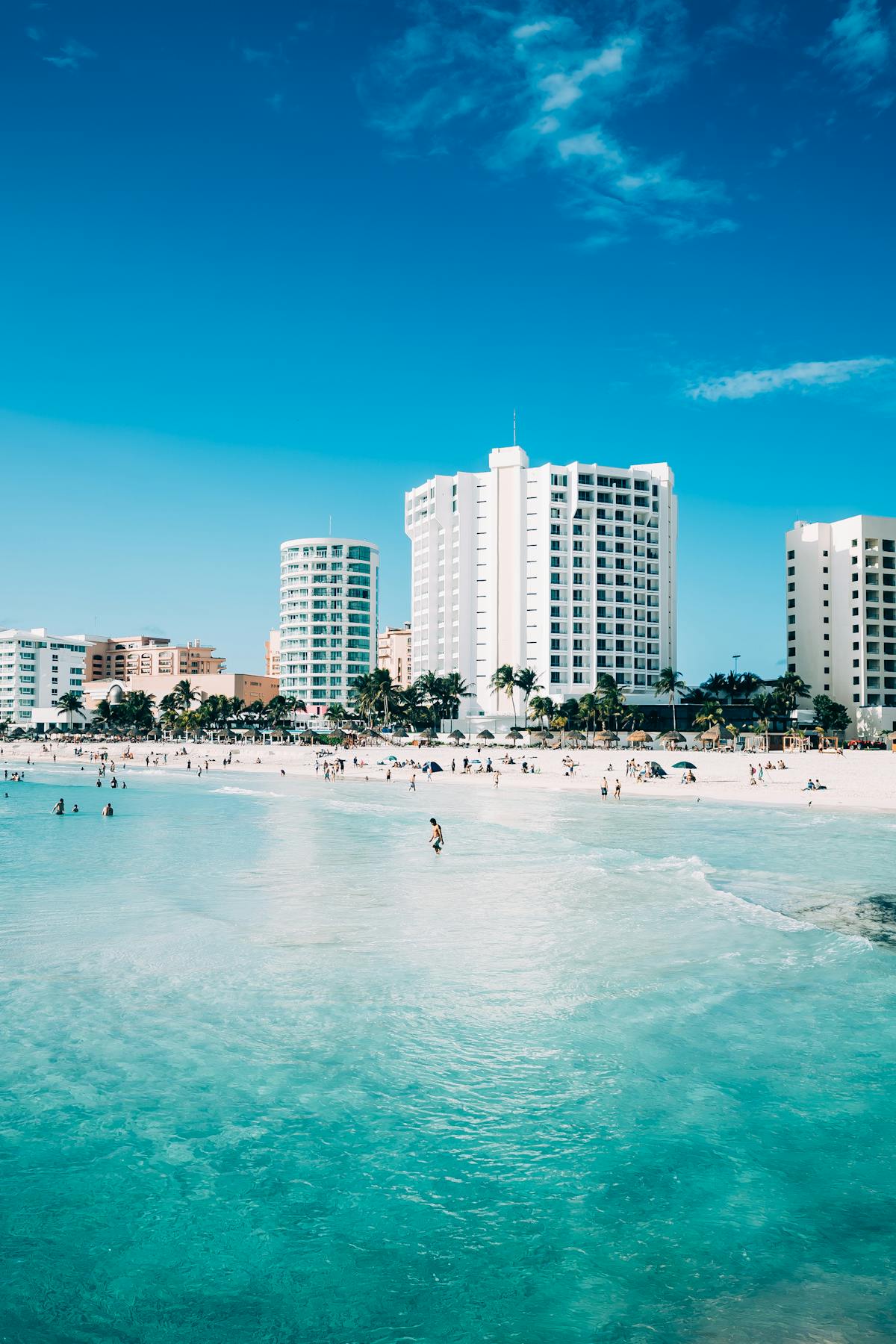
Miami Beach is a single long stretch of wide, flat sand with warm Atlantic water. The beach itself is the social scene – umbrellas, music, people-watching. South Beach is the most famous section, but Mid-Beach and North Beach offer quieter alternatives with the same water quality. The water is swimmable year-round (mid-70s to mid-80s F).
San Diego has more beach variety. La Jolla’s coves and sea cliffs are dramatic and romantic in a way Miami’s flat coastline simply isn’t. Coronado’s wide beach has a completely different feel – classic, family-friendly, almost cinematic. Pacific Beach is surf culture. The water is noticeably cooler (mid-60s to low 70s F), which matters for some couples.
Pick Miami if: you want warm water, a beach-as-scene atmosphere, and easy walkability between sand and restaurants.
Pick San Diego if: you want scenic diversity, dramatic coastal landscapes, and a quieter beach experience.
Plan your trip
Ready to book Miami?
Check availability and rates for your dates.
Powered by Booking.com. Affiliate links — we may earn a commission at no extra cost to you.
Pools, Rooftops, and Couple-Friendly Amenities
This is where the numbers get interesting.
Pools: Miami leads here – well over half of properties have a pool, compared to over half in San Diego. Miami pools tend to be more scene-oriented (rooftop, infinity edge, DJ on weekends). San Diego pools are more traditional resort-style.
Spa: Miami has more spa options built into properties. If spa time is part of your couples trip, filter for it early – it’s not as common as you’d expect in either city.
Walkability and Getting Around
Walkability to dining: Miami has the edge.
In Miami, South Beach and Brickell are genuinely walkable – you can go from hotel to dinner to bar without a rideshare. Outside those neighborhoods, you’ll want a car or Uber. The city is spread out, and public transit isn’t practical for most visitors.
In San Diego, the Gaslamp Quarter is the most walkable zone. La Jolla village is walkable within itself but isolated from the rest of the city. You’ll almost certainly want a car in San Diego, especially for beach-hopping between neighborhoods.
Parking: Miami has more properties with parking, which matters if you plan to rent a car. San Diego almost always needs one; Miami you can avoid it if you stay in the right neighborhood.
The Cost Question
Miami runs higher across the board. South Beach and Brickell hotel rates, dining costs, and nightlife spending all push the daily budget up. The premium is partly real (luxury properties, world-class restaurants) and partly a scene tax. The biggest savings lever: travel in summer or early fall (lower rates, but higher humidity).
San Diego offers better value at the mid-range. The Gaslamp Quarter and Pacific Beach have strong properties at moderate price points. La Jolla and Coronado command Miami-level rates at the top end, but there’s more depth in the $200-$400 range. San Diego’s weather is mild year-round, so there’s less seasonal price swing.
The Decision Framework
Choose Miami if: - Nightlife and dining scenes are a priority - You want warm water for swimming - You prefer a fast-paced, cosmopolitan atmosphere - You’re booking for a celebration or special occasion
Choose San Diego if: - Outdoor activities and scenery matter most - You prefer a relaxed, unhurried pace - You want more beach variety (cliffs, coves, wide sand) - You’re looking for better mid-range value
Choose either if: - Great food is non-negotiable (both cities deliver) - You want pool time (both have strong options) - You’re planning a 3-4 day couples getaway
Explore Both Cities
Miami: Browse all 69 verified stays on the Miami city page, or filter by couples, luxury, or boutique.
San Diego: Browse all 52 verified stays on the San Diego city page, or filter by couples, luxury, or boutique.
Not sure which city fits your style? The travel style quiz matches you to properties across all cities based on what matters most to your trip.
Frequently Asked Questions
Common questions about staying in Miami, answered with data from our research.
Is Miami or San Diego better for couples?
It depends on the energy you want. Miami is better for couples who love nightlife, dining scenes, and a fast-paced atmosphere – think rooftop cocktails and late dinners on Lincoln Road. San Diego is better for couples who want a relaxed coastal getaway with outdoor activities, craft beer, and sunset walks along the cliffs in La Jolla.
Which city has better beaches, Miami or San Diego?
Different strengths. Miami Beach has wide, flat stretches of sand with warm turquoise water and a scene – people-watching is part of the experience. San Diego’s beaches are more varied: La Jolla has dramatic sea cliffs and coves, Coronado has a classic wide beach, and Pacific Beach offers surf culture. In terms of hotel access, Miami has a higher share of beachfront properties. Miami’s water is warmer year-round; San Diego’s is cooler but the coastal scenery is more dramatic.
Is Miami or San Diego more expensive for a couples trip?
Miami generally runs higher, especially in South Beach and Brickell during peak season (December through April). San Diego offers better value in neighborhoods like the Gaslamp Quarter and Pacific Beach, with La Jolla and Coronado resorts reaching Miami-level pricing. Both cities reward shoulder-season travel: Miami is cheaper in summer (but humid), San Diego in fall and winter (still mild weather).
How many days do you need in Miami vs San Diego?
Three to four days works well for either city as a couples trip. In Miami, that covers South Beach, a Wynwood afternoon, one or two standout restaurants, and a beach day. In San Diego, that covers La Jolla, the Gaslamp Quarter, a taco tour, and a sunset at Sunset Cliffs. Both cities can justify a week if you want to go deeper into neighborhoods and day trips (Everglades from Miami, wine country from San Diego).
Browse by style in Miami
Related Guides
More travel intel for planning your trip.