
Charleston Weekend Itinerary: 3 Perfect Days
Day-by-day, neighborhood-by-neighborhood -- with verified hotel picks that match where you will actually be.
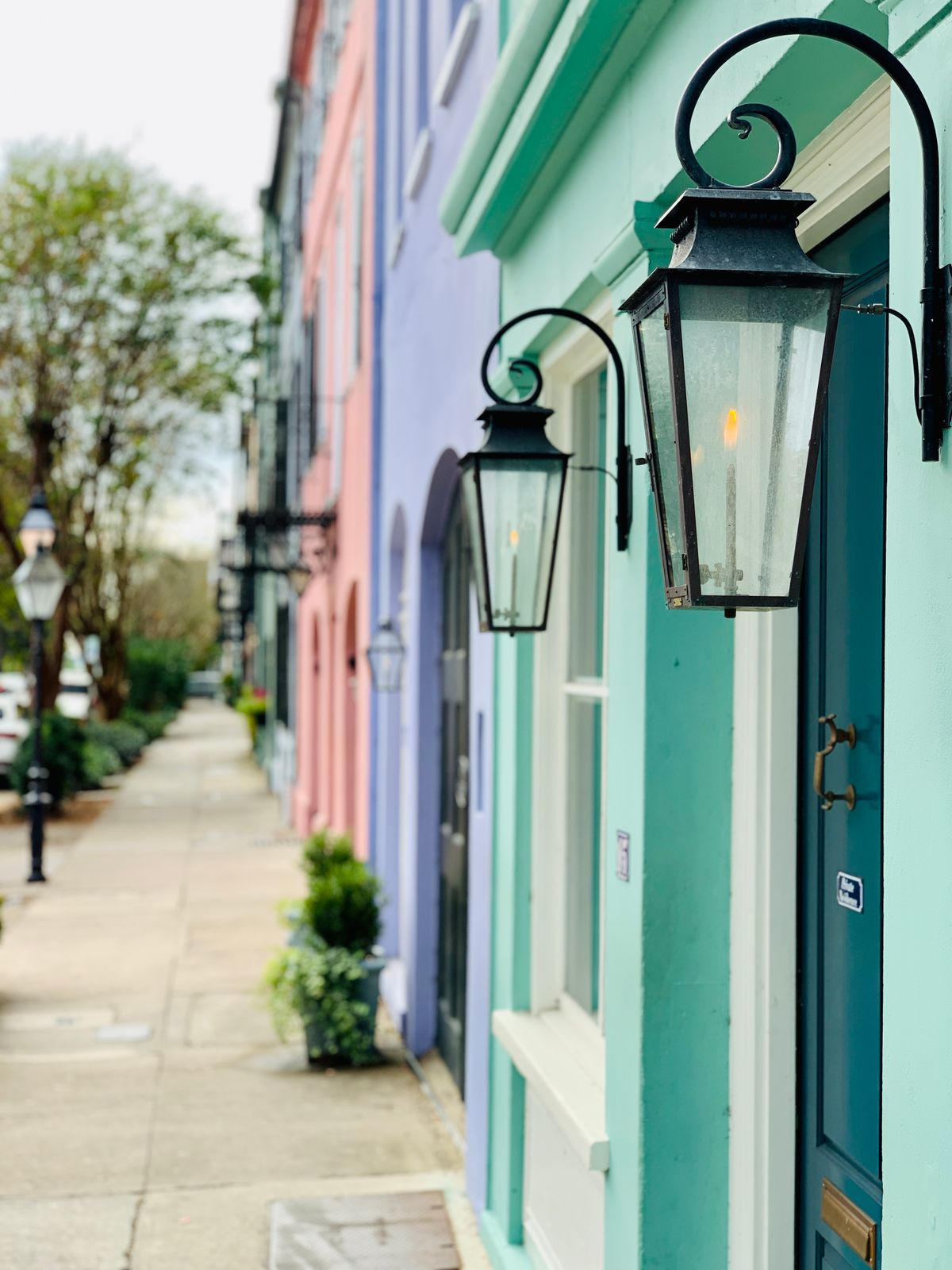
Three days is the right amount of time for Charleston. The historic district is compact enough to explore on foot, the food scene is deep enough to keep you eating well for every meal, and there is just enough beyond downtown to fill a day trip without feeling like you are spending your vacation in a car.
This itinerary is built around 41 verified Charleston properties, so the hotel recommendations that follow each day actually match the neighborhoods you will be in. Not generic suggestions – picks that put you walking distance from what you are doing that day.
When to Go
April, May, and October are the months to aim for. Highs sit in the mid-70s – warm enough for shirtsleeves, cool enough to walk the historic district all day without wilting. Spring brings the azaleas and the Wine + Food Festival. October has thinner crowds and lower rates with nearly identical conditions.
Where to Base Yourself
Stay downtown in the historic district. Nearly every verified Charleston property is walkable to restaurants and coffee, but the French Quarter and the blocks around King Street put you closest to the action for Days 1 and 3.
The Restoration earns the city’s highest score for a reason – suite-style rooms, a rooftop terrace, and a location that puts Rainbow Row, Waterfront Park, and the best restaurants within a ten-minute walk. HarbourView Inn is the play if you want harbor views and an evening wine reception included. For a more modern feel, Emeline blends Southern design with a central location and an on-site restaurant for nights you do not feel like going out.
Browse all 41 verified stays on our Charleston hotel guide, or narrow it down by style: boutique hotels or historic properties.
Where We’d Stay in Charleston


Day 1: The Historic District on Foot
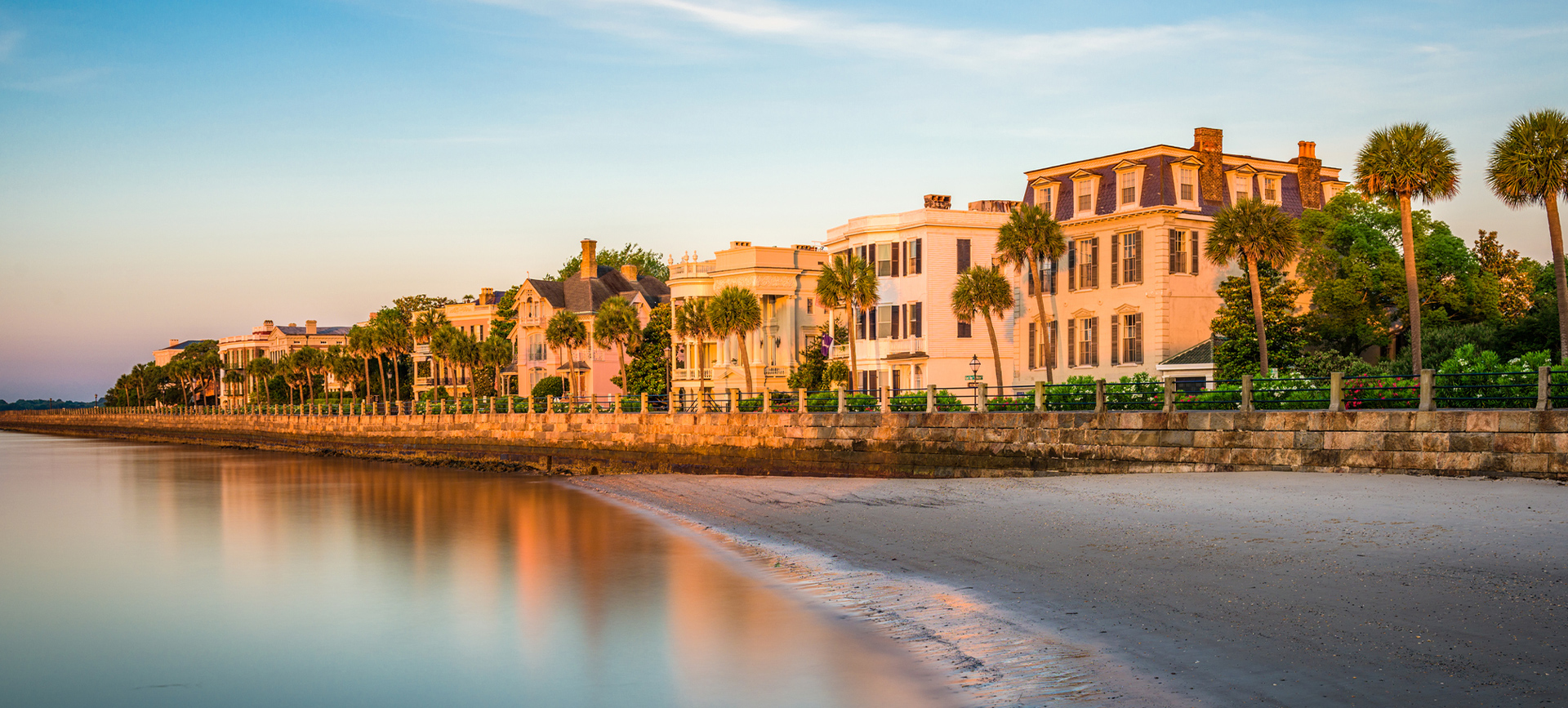
Morning: Start at Waterfront Park and the Pineapple Fountain – the unofficial front door of the city. From there, walk south along East Bay Street to Rainbow Row, the pastel stretch of Georgian houses that ends up on everyone’s camera roll. Continue to The Battery and White Point Garden, where the Ashley and Cooper Rivers meet and the antebellum mansions line the seawall.
Afternoon: Head north to the City Market, Charleston’s 200-year-old open-air market where Gullah artisans sell sweetgrass baskets made using techniques that predate the city itself. Then walk King Street – the main shopping artery runs from antique shops in the south to boutiques and restaurants in the central blocks. The Four Corners of Law (Meeting and Broad) is worth a pause on the way.
A horse-drawn carriage tour of the historic district covers more ground in an hour than most first-timers manage in a morning on foot, and the guides are licensed by the city to make sure the history is accurate.
Evening: Dinner in the French Quarter. Husk, FIG, and The Ordinary are the most-booked names, so reserve ahead – two weeks minimum for weekend tables.
Ready to lock in your base? Browse verified Charleston stays with real scores and amenities on our Charleston hotel guide.
Plan your trip
Ready to book Charleston?
Check availability and rates for your dates.
Powered by Booking.com. Affiliate links — we may earn a commission at no extra cost to you.
Day 2: Fort Sumter and Plantation Country
Morning: The ferry to Fort Sumter departs from Liberty Square – book a morning slot since they fill up, especially in spring and fall. The round trip takes about two and a half hours including time on the island. This is where the Civil War began, and the National Park Service rangers give a short talk that is genuinely worth hearing.
Afternoon: Choose one plantation – you will not have time for both. Boone Hall is the more visually dramatic (the Avenue of Oaks is iconic), and its Gullah culture program adds depth. Middleton Place has the oldest landscaped gardens in America and a quieter, more contemplative feel. Either one is a twenty-to-thirty-minute drive from downtown.
This is the one day you will want a car or a rideshare. The ferry terminal is walkable from downtown, but the plantations are not.
Evening: Back downtown for dinner. If you saved your splurge, tonight is the night – Charleston Grill at The Charleston Place or the bar at The Spectator Hotel are both worth dressing up for.
Looking for the right neighborhood? Our Charleston neighborhood guide breaks down every area with honest trade-offs.
Day 3: Beach Morning, Slow Afternoon
Morning: Folly Beach is the local favorite – twenty-five minutes from downtown, with a fishing pier, a laid-back surf vibe, and none of the resort-town polish of Kiawah or Isle of Palms. Sullivan’s Island is the quieter alternative if you want sand without the scene. If beach access from your hotel matters, Hotel Folly puts you steps from the pier and scores well above our quality threshold.
Late Morning: Head back downtown for a final walk and an early lunch. Callie’s Hot Little Biscuit on Upper King Street is the kind of place that makes you wish you had discovered it on Day 1.
Afternoon: One last rooftop. , but The Vendue’s rooftop bar – overlooking the harbor with the Ravenel Bridge in the distance – is a strong closing image for any trip. Andrew Pinckney Inn and The Ryder Hotel also have terraces worth seeking out.
Planning a romantic trip? See our Charleston couples guide for properties that earn high marks for romance-specific amenities.
The Short Version
| Morning | Afternoon | Evening | |
|---|---|---|---|
| Day 1 | Waterfront Park, Rainbow Row, Battery | City Market, King Street | French Quarter dinner |
| Day 2 | Fort Sumter ferry | Boone Hall or Middleton Place | Downtown dinner |
| Day 3 | Folly Beach or Sullivan’s Island | Last walk, Callie’s biscuits | Rooftop drinks |
Three days, one city, zero rushed mornings. Charleston rewards the traveler who slows down, and the right hotel turns a good trip into the one you keep talking about.
Browse all 41 verified Charleston properties on our full city guide.
Frequently Asked Questions
Common questions about staying in Charleston, answered with data from our research.
How many days do you need in Charleston?
Three days is the sweet spot. You can cover the historic district, take a day trip to Fort Sumter and a plantation, and still have time for a beach morning – all without rushing. A fourth day is nice if you want to linger, but three is enough to feel like you have seen the city rather than just passed through it.
What is the best time to visit Charleston?
April, May, and October. Highs in the mid-70s, comfortable walking weather, and the city is in full bloom in spring or turning golden in fall. These months hit the balance between pleasant conditions and manageable crowds. Browse current availability on our Charleston hotel guide.
Do you need a car in Charleston?
Not for the first two days. The historic district is compact and flat – you can walk from the Battery to the City Market in about twenty minutes. You will want a car (or a rideshare) on Day 2 for Fort Sumter’s ferry terminal and the plantations, and on Day 3 if you head to Folly Beach or Sullivan’s Island.
Where is the best area to stay for a first visit?
The historic district, specifically between Broad Street and Marion Square. This puts you within walking distance of Rainbow Row, Waterfront Park, King Street shopping, and the best restaurants. Nearly all of the verified Charleston properties are walkable to dining, so wherever you book downtown, you are well positioned.
Can you do Charleston as a weekend trip?
Yes – a Friday-to-Sunday trip works well if you arrive Thursday evening or early Friday. The itinerary in this guide is designed for exactly that pace. You will cover the highlights without the rushed feeling of trying to squeeze a week into two days.
Browse by style in Charleston
Related Guides
More travel intel for planning your trip.