
Best Travel Photography Gear for a Carry-On
A minimalist photography kit for travelers who want better shots without checking a bag.
Why a Camera Still Beats Your Phone
Your phone takes good photos. In daylight, with a still subject, at arm’s length, a flagship phone produces perfectly sharp, well-exposed images. For social media and texting, that’s enough.
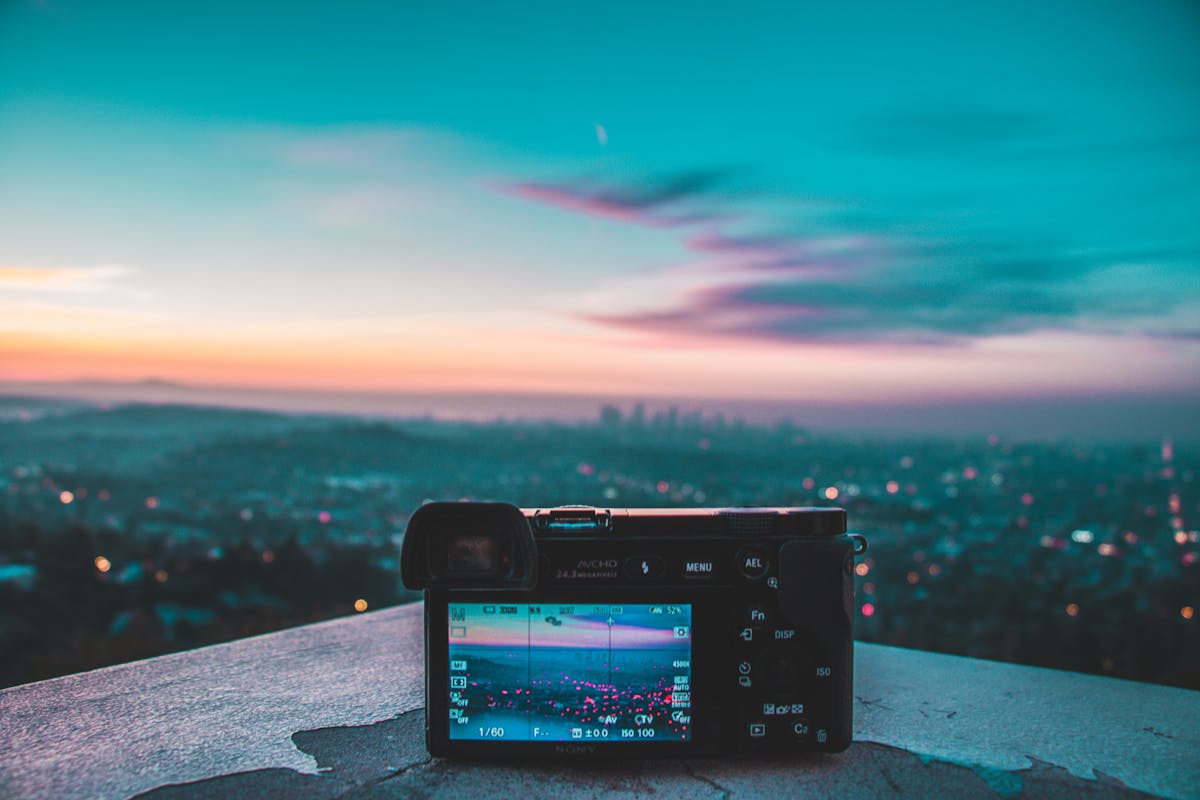
But travel photography isn’t about arm’s length. It’s the rooftop bar at golden hour when the light is fading fast. It’s the cathedral interior where your phone produces a muddy, noisy mess. It’s the street musician three blocks away that you want to frame tightly without a digital crop that turns everything to mush. It’s the night skyline from your hotel balcony that your phone renders as a smeared watercolor.
A dedicated camera with a larger sensor, real optical glass, and manual controls handles all of these situations naturally. And the gear that does it doesn’t require a checked bag, a photography degree, or a second mortgage. Everything on this list fits in a single carry-on sling bag with room to spare.
The Travel Mirrorless: Sony a6700
Sony a6700
This is the workhorse. If you’re buying one camera for travel and you want it to handle everything – street photography in the French Quarter, landscapes from a Colorado overlook, portraits at a rooftop bar, 4K video of a sunset cruise – the a6700 is the answer.
The 26MP APS-C sensor delivers clean, detailed images with excellent dynamic range. The 5-axis in-body image stabilization means you can shoot handheld in low light without a tripod. The autofocus system uses AI-based subject recognition that tracks eyes, faces, animals, birds, and even vehicles across 759 phase-detection points. It locks on and doesn’t let go, which matters when you’re shooting moving subjects on a busy street or trying to capture a bird in flight from a coastal trail.
At just over a pound for the body alone, the a6700 disappears into a sling bag. It shoots 4K video at 60fps (or 4K/120fps with a crop), handles 11 frames per second for bursts, and charges over USB-C – the same cable as your phone and laptop. The weather-sealed magnesium alloy body means you don’t have to baby it in light rain or dusty conditions.
Why it’s the pick: The a6700 hits the intersection of compact size, professional capability, and reasonable price that no other camera in this class matches. It’s the camera that grows with you.
Check Sony a6700 price on Amazon
Where We’d Stay in Austin


The Fixed-Lens Classic: Fujifilm X100VI

Fujifilm X100VI
If the Sony a6700 is the Swiss Army knife, the X100VI is the chef’s knife. One focal length. One lens. No decisions. Just a 40MP APS-C sensor behind a sharp 23mm f/2 lens (35mm equivalent) that produces images with a rendering quality that’s hard to describe and impossible to replicate on a phone.
The X100VI is the camera that made compact cameras exciting again. The 20 built-in film simulations – particularly Classic Negative and REALA ACE – produce colors straight out of camera that most photographers spend hours trying to achieve in post-processing. The 6-stop IBIS means you can shoot handheld well into the evening without cranking the ISO. The hybrid optical/electronic viewfinder is a genuine joy to look through, and the retro analog controls (dedicated shutter speed and aperture dials) make the act of taking photos feel intentional rather than automated.
The honest caveat: This camera has been difficult to buy at retail price since launch. Demand far exceeds supply, and reseller markups are common. If you can find one at or near the $1,599 MSRP, it’s an exceptional travel camera. If you’re seeing prices well above that, consider the Ricoh GR IIIx below as an alternative that delivers a similar philosophy in an even smaller package.
Why it’s the pick: Nothing else produces images that look this good with this little effort. The film simulations alone are worth the price of entry for travelers who want photos that look like memories, not smartphone snapshots.
Check Fujifilm X100VI price on Amazon
Plan your trip
Ready to book Austin?
Check availability and rates for your dates.
Powered by Booking.com. Affiliate links — we may earn a commission at no extra cost to you.
The Pocket Camera: Ricoh GR IIIx
Ricoh GR IIIx
This is the camera you bring when you don’t want to bring a camera. At 262 grams – lighter than most smartphones – the GR IIIx fits in a jacket pocket or jeans pocket and delivers APS-C image quality that embarrasses cameras five times its size.
The fixed 40mm equivalent f/2.8 lens is sharp across the frame and focuses down to 12cm for detail shots of food, architecture, and textures. The simplified control scheme (snap focus, full press AF, or zone focus) makes street photography fast and instinctive. There’s no viewfinder, no flip screen, no video worth mentioning. This is a camera that does one thing – take excellent still photographs – and strips away everything else.
Street photographers have carried Ricoh GR cameras for over a decade because the form factor changes how you shoot. A camera this small is unintrusive. People don’t notice it. You don’t think twice about bringing it. The best camera is the one you have with you, and the GR IIIx is always with you because it disappears into what you’re already wearing.
The trade-off: Battery life is modest at around 200 shots, and the autofocus isn’t fast enough for action. Carry a spare battery (they’re tiny) and think of this as your walking-around camera, not your everything camera.
Check Ricoh GR IIIx price on Amazon
The Adventure Camera: GoPro HERO13 Black
GoPro HERO13 Black
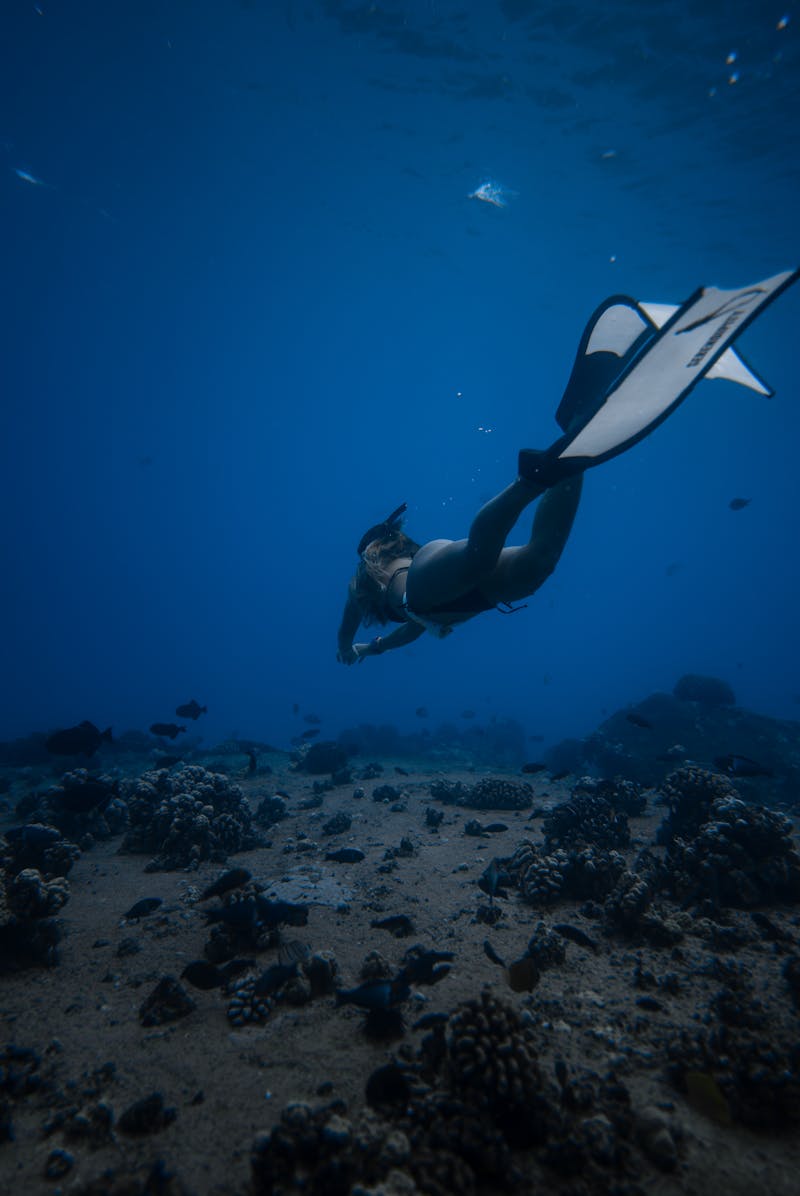
Every other camera on this list has the same weakness: water. Drop your a6700 in the ocean and it’s finished. The GoPro HERO13 Black is waterproof to 33 feet without any housing, shoots 5.3K video at 60fps, captures 27MP stills, and weighs less than your wallet.
HyperSmooth 6.0 stabilization turns shaky handheld footage into something that looks gimbal-mounted. Slow-motion at 4K/120fps or 2.7K/240fps captures the kind of action replays that make your travel videos actually worth watching. The new HB-Series interchangeable lens mounts let you swap in macro, ultra-wide, or anamorphic lenses for specific creative looks.
This is the camera for Clearwater Beach, for snorkeling in the Keys, for rainy days in New Orleans when you’re walking through the Quarter and don’t want to worry about your gear. Mount it to a chest harness for cycling through Austin, clip it to a backpack strap for hiking near Denver, or hand it to a stranger for a group shot without worrying about a drop.
Why it’s the pick: No other camera lets you go from dry land to underwater without stopping, without a housing, without worry. For any trip that involves water or high-activity adventures, the GoPro is non-negotiable.
Check GoPro HERO13 Black price on Amazon
The Smooth Operator: DJI Osmo Pocket 3

DJI Osmo Pocket 3
If your travel memories include video – walking through a new neighborhood, capturing a sunset from a rooftop, recording a street performer – the Osmo Pocket 3 produces the smoothest handheld footage you can get without a full-size gimbal rig.
The secret is the 3-axis mechanical gimbal built into a device the size of a candy bar. While phones and action cameras use digital stabilization (which crops and warps the image), the Pocket 3 physically stabilizes the camera on motorized axes. The result is footage that glides, even when you’re climbing stairs, walking on cobblestones, or shooting from a moving boat.
The 1-inch CMOS sensor is a meaningful step up from the tiny sensors in most phone cameras and action cams. Low-light footage is cleaner, dynamic range is wider, and the 4K/120fps capability gives you serious slow-motion options. The 2-inch rotatable OLED touchscreen lets you frame shots and switch between horizontal and vertical shooting for different platforms. ActiveTrack 6.0 locks onto a subject and follows them through the frame – useful for walking tours, food videos, or capturing someone else while you both move through a scene.
The trade-off: No weather sealing, so it’s not a rain-or-surf camera (that’s what the GoPro is for). Battery life is about two hours at 4K/60fps, so carry it charged and use it intentionally rather than recording everything.
Check DJI Osmo Pocket 3 price on Amazon
The Tripod That Disappears: Peak Design Travel Tripod

Peak Design Travel Tripod (Carbon Fiber)
Most travel tripods are either too flimsy to trust or too bulky to bring. The Peak Design Travel Tripod solved this by rethinking how the legs fold. Instead of splaying outward, they wrap tightly around the center column, reducing the folded profile to roughly the diameter of a water bottle at just 15.5 inches long.
At 2.8 pounds with a 20-pound load capacity, it handles any mirrorless camera and lens combination you’d reasonably travel with. The integrated ball head has a single adjustment ring for both pan and tilt, and the quick-release plate is compatible with Peak Design’s capture clip system. Setup takes seconds, not minutes – you won’t miss the shot fumbling with leg locks.
When you need it: Night cityscapes from your hotel balcony. Long exposures of a waterfall on a day trip. Group photos where you’re actually in the frame. Time-lapse videos of a sunset over the Nashville skyline or the Austin Congress Avenue bridge bats at dusk. Self-portraits at landmarks without handing your camera to a stranger. These are the shots that separate a travel photographer from a tourist with a camera, and every one of them requires a stable platform.
The aluminum alternative: If the carbon fiber version is more than you want to spend, Peak Design also makes an aluminum version at a lower price point that weighs about a pound more but offers the same folding design and load capacity.
Check Peak Design Travel Tripod price on Amazon
The Camera Bag: Peak Design Everyday Sling 6L
Peak Design Everyday Sling 6L
Six liters doesn’t sound like much until you see what fits: a mirrorless camera body with a lens attached, a second lens, the DJI Pocket 3, the GoPro, spare batteries, memory cards, your phone, and a cleaning cloth. The FlexFold dividers let you configure the interior for whatever combination you’re carrying that day.
The crossbody sling design swings from your back to your chest in one motion – you can access your camera without taking the bag off, which matters when a moment is happening right now. The clamshell zipper opens the whole bag flat for easy packing at the hotel. Weatherproof recycled nylon, a padded strap, and a lifetime warranty round out a bag that feels like it was designed by someone who actually shoots while traveling.
The Everyday Sling slides under an airplane seat, sits on your lap at a restaurant, and doesn’t scream “expensive camera inside” the way a traditional camera bag does. For a carry-on-only trip, it’s the bag that makes the whole kit work.
Check Peak Design Everyday Sling price on Amazon
Don’t Skimp on the Card: SanDisk Extreme PRO 256GB
SanDisk Extreme PRO SDXC UHS-II V90
This is the least exciting item on the list and arguably the most important. Every photo and every frame of video you shoot lives on this card until you back it up. A slow or unreliable card means dropped frames during video recording, missed bursts during action sequences, and – worst case – corrupted files that turn an entire day of shooting into nothing.
The SanDisk Extreme PRO UHS-II reads at 300 MB/s and writes at 260 MB/s, fast enough for any camera on this list shooting at any resolution and frame rate. The V90 speed class guarantees sustained writes that won’t bottleneck even 8K recording. The card is rated for temperature extremes, water, shock, and X-ray (so airport scanners won’t touch your files).
256GB holds roughly 10,000 RAW photos from the a6700, or about 90 minutes of 4K/60fps video, or a mix of both for a full day of shooting without swapping cards. Bring two if your trip is longer than a few days, and back up to a rugged SSD at the hotel each night. Your memories are worth more than the cost of a second card.
Check SanDisk Extreme PRO price on Amazon
What About Lenses?
If you’re traveling with the Sony a6700, the kit 16-50mm f/3.5-5.6 lens that comes in the bundle is a fine starting point – it covers wide-angle to short telephoto in a compact package. For most travelers, it’s enough.
If you want one upgrade lens that dramatically improves your travel photography, the Tamron 17-70mm f/2.8 Di III-A VC RXD is the consensus pick among travel photographers. The constant f/2.8 aperture means significantly better low-light performance than the kit lens, the zoom range covers nearly everything from architecture to portraits, and the built-in stabilization stacks with the a6700’s IBIS for rock-steady handheld shots. It’s larger than the kit lens but still travel-friendly.
For the X100VI and Ricoh GR IIIx, lenses aren’t a consideration – the fixed lens is the whole point. That simplicity is part of what makes them excellent travel cameras.
The Remote Work Crossover
If you’re traveling for work and play, there’s meaningful overlap between this kit and the remote work gear guide. The SanDisk Extreme PRO SSD from that list doubles as your photo backup drive. The Anker power bank charges your camera batteries over USB-C. The noise-canceling headphones are useful for editing photos in a noisy hotel lobby. Build both kits and you’ll find they share a sling bag comfortably.
Frequently Asked Questions
Common questions about staying in Austin, answered with data from our research.
Is a mirrorless camera worth it for travel?
Yes, if you care about image quality beyond what a phone delivers. Modern mirrorless cameras like the Sony a6700 are smaller and lighter than the DSLRs that scared people away from traveling with a camera. They offer interchangeable lenses, dramatically better low-light performance, and professional-grade autofocus in bodies that weigh around a pound. The gap between phone photos and camera photos is most visible at night, indoors, and at distance – exactly the situations that define travel photography.
Can I bring camera gear in a carry-on bag?
Yes. The TSA has no restrictions on cameras, lenses, tripods, or memory cards in carry-on luggage. In fact, you should always carry camera gear on board rather than checking it – checked bags get thrown around, and camera equipment is both fragile and expensive. A compact mirrorless camera, two lenses, a folding tripod, and accessories all fit comfortably in a sling bag like the Peak Design Everyday Sling 6L, which slides under the seat in front of you.
Do I need a tripod for travel photography?
For daytime sightseeing, no. Modern image stabilization handles handheld shots well. But if you want night cityscapes, long exposures of waterfalls or coastlines, sharp group photos without asking a stranger to hold your camera, or time-lapse videos from your hotel balcony, a tripod is the only way to get those shots. The Peak Design Travel Tripod folds to the size of a water bottle, so the weight penalty is minimal for the creative options it opens up.
What memory card speed do I need for 4K video?
For reliable 4K video recording, you need at minimum a UHS-I V30 card (30 MB/s sustained write speed). For 4K at 60fps or higher bitrates, step up to UHS-II V60 or V90. The SanDisk Extreme PRO UHS-II V90 is the safe choice – it handles everything from burst photography to 8K video without bottlenecking your camera. Buying a fast card is cheap insurance against dropped frames and corrupted footage.
What is the best camera for travel beginners?
The Ricoh GR IIIx is the easiest on-ramp to serious travel photography. It fits in a pocket, has one lens (no decisions to make), and produces images that rival cameras twice its size thanks to its APS-C sensor. Point it at something interesting and press the shutter – the learning curve is almost flat. If you want the flexibility of interchangeable lenses from day one, the Sony a6700 with the kit 16-50mm lens is the most capable starter kit you can buy.
Is a GoPro worth it for travel?
It depends on where you’re going. If your trip involves water – beach days, snorkeling, boat tours, pool time – a GoPro earns its place immediately. No other camera can go from your pocket to 33 feet underwater without a housing. It’s also the best option for activities where you can’t hold a proper camera: zip lines, cycling, kayaking, or mounting to a helmet. For a purely city-based trip, you probably don’t need one. For a beach vacation or adventure trip, it’s the first thing to pack.
Browse by style in Austin
Related Guides
More travel intel for planning your trip.